
Retire in Costa Rica: Best Cities, Costs, Healthcare & Residency Guide
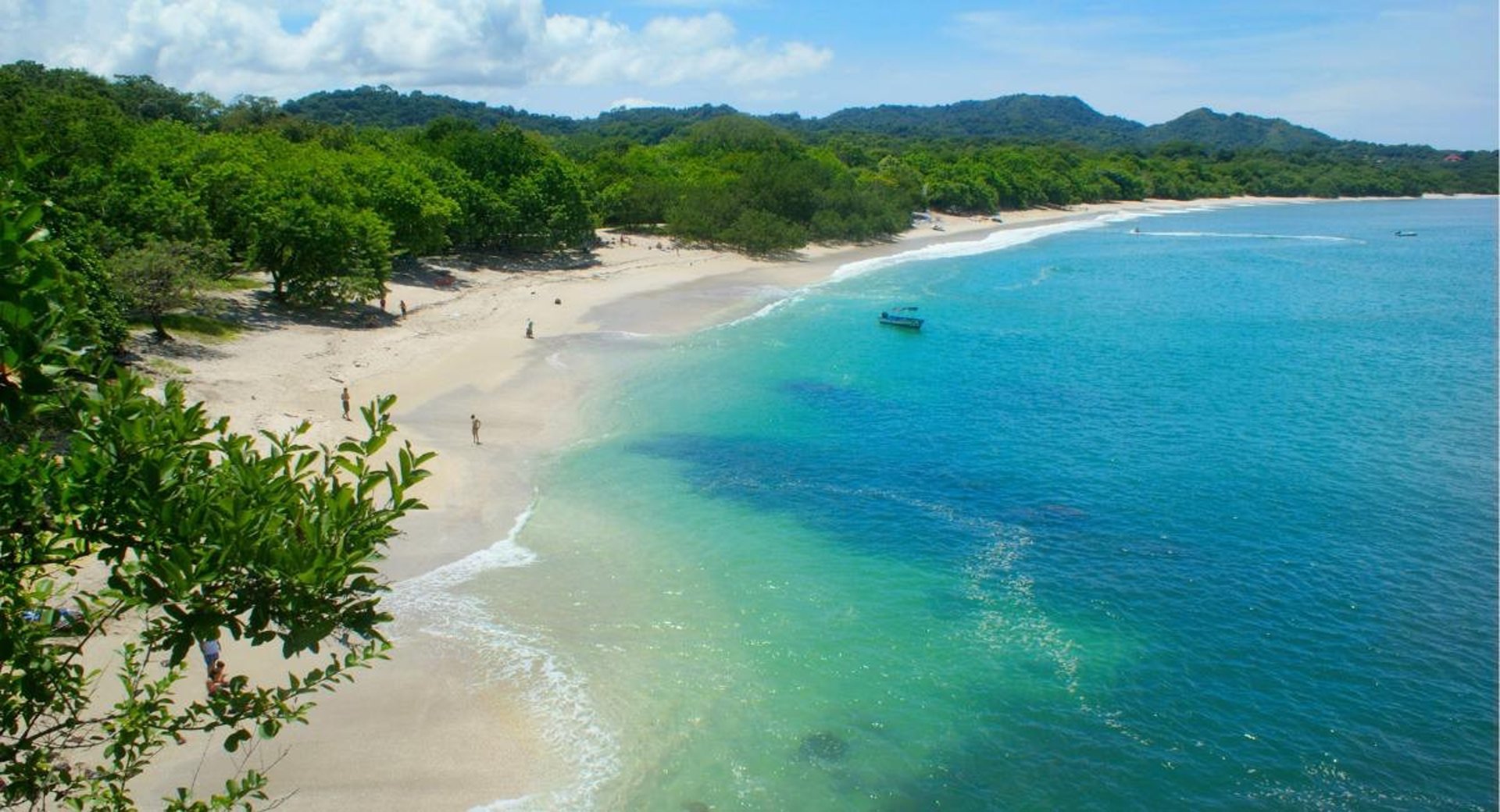
Costa Rica is one of those rare places that welcomes you with a gentle exhale. Life feels slower here, more deliberate, shaped by nature, warm hospitality, and that famous national phrase: pura vida. It’s on the lips of taxi drivers, market vendors, and neighbors across the country — and after a few days, you begin to understand why. Costa Rica rewards people who want a simpler life, one where mornings begin with birdsong, afternoons drift with breezes from the mountains or sea, and days are structured around the outdoors.
For retirees, Costa Rica offers an appealing balance: safe communities, warm weather, outstanding healthcare, a choice of climate zones, and residency programs that are welcoming and well established. Add to that a stable democracy, modern infrastructure, and a friendly culture, and it becomes clear why Costa Rica is one of the world’s most enduring retirement destinations.
In this guide, we explore Costa Rica’s most popular retiree cities and regions — San José (with Escazú), Atenas, Tamarindo, Santa Ana, San Isidro de El General, and the Nicoya Peninsula. We’ll also cover visa options, paths to permanent residency and citizenship, access to Costa Rica’s healthcare system, and what everyday life looks like in this remarkably peaceful country.
What Makes Costa Rica Appealing
A Peaceful, Welcoming Country
Costa Rica is one of the safest and most stable countries in Latin America. It abolished its military in 1948 and invested heavily in education, healthcare, and environmental protection. That choice is visible everywhere — from clean cities to well-kept national parks and a population that takes great pride in harmony and civility.
Climate & Natural Beauty
Retirees can choose from multiple climate zones: cool mountain towns, warm coastal communities, and temperate highland suburbs. No matter where you settle, nature is always close — beaches, cloud forests, volcanoes, waterfalls, and wildlife sanctuaries are part of normal life here.
Cost of Living
While Costa Rica is no longer a “budget” destination, it still offers excellent value, especially compared to North America and Europe. Retirees often find day-to-day expenses reasonable, particularly outside beach tourist zones.
Local restaurant meal: $6–$10 USD
Mid-range dinner: $12–$20 USD
Taxi or Uber ride: $3–$8 USD
Fresh market produce: Very affordable
A Strong Expat and Retiree Community
Costa Rica has welcomed foreign retirees for decades, so it’s easy to find English-speaking communities, social groups, volunteer programs, and meet-ups — especially in the Central Valley and coastal towns.
San José & Escazú
Overview & First Impressions
San José is Costa Rica’s capital — a lively, modern city set in a broad mountain valley with lush hills rising in every direction. While many retirees don’t choose to live in the center itself, the suburbs west of downtown — especially Escazú — are among the most popular retirement hubs in the country.
Escazú feels upscale and international: modern condos, shopping centers, gourmet restaurants, medical clinics, cafés, and a large English-speaking community. It’s close enough to the city’s hospitals, theaters, and amenities but far enough to feel quiet, clean, and residential.
Climate
The Central Valley enjoys some of the best weather in the country — often called “eternal spring.” Temperatures usually stay between 65–80°F (18–27°C) year-round, with cool evenings and low humidity.
Cost of Living & Housing
Escazú is one of Costa Rica’s more upscale areas, but still affordable by North American standards.
1-BR apartment: $800–$1,300 USD
2-BR condo: $1,200–$2,000 USD
Homes in gated communities: vary widely by size and view
Lifestyle & Food
Expect modern conveniences: international restaurants, boutique gyms, cafés, farmers’ markets, and well-stocked supermarkets. Retirees appreciate the area’s cleanliness, walkability, and easy access to top private hospitals.
Healthcare in San José
San José has Costa Rica’s best hospitals — both private and public — making it a top choice for retirees who prioritize easy access to care.
Hospital CIMA (Escazú)
Hospital Clínica Bíblica
Hospital Metropolitano
Atenas
Overview & First Impressions
Atenas is often described as having one of the “best climates in the world.” Located about 45 minutes from San José, this small town sits in the mountains at a perfect elevation — warm days, cool evenings, and gentle breezes year-round. Its charm lies in its simplicity: friendly locals, fresh markets, small cafés, and a relaxed pace that retirees adore.
Atenas attracts people who want proximity to the capital’s medical care and airports while living in a peaceful rural community surrounded by hills and greenery.
Cost of Living & Housing
1-BR home or apartment: $600–$900 USD
2-BR rental: $800–$1,300 USD
Homes with mountain views: $1,200–$2,000 USD
Lifestyle & Food
Life revolves around fresh produce markets, morning walks, coffee farms, and gatherings with friends. Atenas has a strong retiree community — social, supportive, and active.
Tamarindo
Overview & First Impressions
Tamarindo is a lively beach town on the Pacific coast known for surfing, sunsets, and a vibrant expat community. It’s popular among retirees who want warm weather, an active social life, and easy beach access. Tamarindo has grown significantly in recent years and offers a good mix of cafés, yoga studios, restaurants, and beachfront living.
It’s more touristy than other coastal areas, but many retirees love the energy, walkability, and modern conveniences.
Cost of Living & Housing
Rent is higher in beach areas, but still reasonable for a coastal lifestyle.
1-BR apartment: $900–$1,400 USD
2-BR condo: $1,300–$2,200 USD
Beachfront rentals: higher depending on location and season
Lifestyle & Food
Expect outdoor living — surfing, sailing, swimming, beach walks, and long tropical evenings. The food scene ranges from beach bars to excellent international restaurants.
Santa Ana
Overview & First Impressions
Santa Ana sits just east of Escazú and shares many of its advantages — mild weather, mountain views, modern infrastructure, and a polished, welcoming atmosphere. It is slightly more residential and often quieter, with excellent access to restaurants, grocery stores, shopping centers, and medical clinics.
For retirees who want city conveniences but in a calmer suburban environment, Santa Ana strikes a perfect balance.
Cost of Living & Housing
1-BR apartment: $700–$1,200 USD
2-BR condo: $1,000–$1,800 USD
Gated community homes: vary by size and amenities
Lifestyle & Food
Residents enjoy a comfortable suburban lifestyle — cafés, shopping plazas, social clubs, gyms, and easy access to Escazú and San José. Everything is clean, modern, and convenient.
San Isidro de El General
Overview & First Impressions
San Isidro de El General is a growing inland city located in a broad, fertile valley at the foot of the Talamanca Mountains. It has a distinctly Costa Rican feel — less expat-heavy than the Central Valley and more authentically local, with agricultural landscapes, traditional markets, and a relaxed pace.
Retirees who choose San Isidro often want a quieter, more budget-friendly lifestyle while still enjoying access to excellent produce, mountainous scenery, and a strong sense of community. The city’s location also places you within easy reach of the popular Southern Zone beaches, including Dominical and Uvita.
Cost of Living & Housing
1-BR apartment: $450–$700 USD
2-BR house: $600–$1,000 USD
Homes with land: still affordable compared to coastal areas
Lifestyle & Food
Life in San Isidro revolves around the town center, the farmers’ market, and the beautiful surrounding hills. The climate is warm but not overly humid, and it’s a region where locals live long, healthy lives thanks to fresh food and active daily routines.
Nicoya Peninsula
Overview & First Impressions
The Nicoya Peninsula is one of the world’s five official “Blue Zones,” regions known for exceptional longevity. Life here is shaped by ocean breezes, fresh food, simple routines, and a deep sense of community. Retirees come for the beauty, healthful lifestyle, and the feeling that time moves more gently.
The region includes small beach towns, fishing villages, and rural communities surrounded by nature. Daily life feels relaxed — long walks, quiet evenings, morning swims, and shared meals with friends and neighbors.
Cost of Living & Housing
Prices vary depending on proximity to popular beach towns.
1-BR apartment: $700–$1,200 USD
2-BR rental: $1,000–$1,800 USD
Homes near the beach: higher depending on amenities and views
Lifestyle & Food
The Nicoya Peninsula offers one of the healthiest day-to-day rhythms in Costa Rica. Fresh seafood, tropical fruit, family-run eateries, and slow living define the culture here.
Residency & Visa Options
An Extremely Welcoming System for Retirees
Costa Rica has some of the most retiree-friendly residency options in Latin America. The process is clear, well established, and widely used by expats from North America and Europe. Most retirees apply for the Pensionado Visa, but other routes — including the Rentista and Investor visas — are also popular.
Pensionado Visa (Retiree Visa)
The Pensionado Visa is the most common option for foreign retirees.
General requirements include:
Proof of lifelong monthly income of at least $1,000 USD
Background check
Proof of health insurance (public or private)
Application fees and required documents
The Pensionado Visa must be renewed every two years, but it is straightforward and allows you to live in Costa Rica long term.
Rentista Visa
This option is ideal for retirees without a pension but who can show reliable monthly income.
Requires proof of $2,500 USD per month for 24 months
Or a $60,000 USD deposit in a Costa Rican bank
Investor Visa
The Investor Visa is for those who want to invest in property or business.
Minimum investment: $150,000 USD in real estate or a qualifying business
Path to Permanent Residency
Temporary residents (Pensionado, Rentista, Investor) may apply for permanent residency after three years.
Permanent residents may work and remain in Costa Rica indefinitely.
Path to Citizenship
Foreign residents may apply for citizenship after seven years of continuous residency.
Healthcare & Medical Access
Two Strong Options: Public (Caja) and Private Care
Costa Rica’s healthcare system is one of the best in Latin America. All legal residents are required to join the public healthcare system — the CCSS, commonly called the Caja. The Caja provides full medical coverage for a low monthly contribution calculated from your income.
Public Healthcare (Caja)
Low monthly cost
Full coverage with no large out-of-pocket expenses
Clinics and hospitals in every region
Private Healthcare
Private care is modern, affordable, and widely used by retirees who want faster appointments or access to English-speaking specialists.
Top private hospitals include:
Hospital CIMA (Escazú)
Hospital Clínica Bíblica
Hospital Metropolitano
Many retirees use a combination of public and private care for the best experience.
Where Should You Live?
Costa Rica offers multiple climates and lifestyles — from cool mountain towns to vibrant beach communities. Your ideal fit depends on whether you prefer urban convenience, rural calm, or coastal sunshine.
San José & Escazú: Best for healthcare access, modern living, and city conveniences.
Atenas: Best climate and small-town charm close to the capital.
Tamarindo: Best for active beach living with a strong expat community.
Santa Ana: Best suburban lifestyle with modern amenities.
San Isidro de El General: Best for affordable, authentic inland living.
Nicoya Peninsula: Best for longevity lifestyle, peaceful beaches, and pura vida living.
Conclusion
Costa Rica remains one of the world’s most beloved retirement destinations — a balanced blend of natural beauty, safety, community, and comfort. Its welcoming residency programs, high-quality healthcare, and stunning landscapes make it a country where retirees can slow down, breathe deeply, and live well.
Whether you choose the mountain valleys of the Central Highlands, the golden beaches of the Pacific, or the quiet wellness of the Nicoya Peninsula, Costa Rica offers a lifestyle built around simplicity, health, and genuine human warmth.
Sources
Dirección General de Migración y Extranjería (Costa Rica Immigration Authority)
https://www.migracion.go.cr/
Ministerio de Salud de Costa Rica (Ministry of Health)
https://www.ministeriodesalud.go.cr/
Instituto Nacional de Estadística y Censos (INEC – National Institute of Statistics and Census)
https://www.inec.cr/
Visit Costa Rica – Official Tourism Website
https://www.visitcostarica.com/en
World Bank – Costa Rica Country Data
https://data.worldbank.org/country/costa-rica