
Retire in France: Best Cities, Costs, Healthcare & Lifestyle Guide
France has long held a place in the imagination of travelers — a country of café-lined boulevards, seaside promenades, medieval villages, and rolling wine country. But for retirees, France offers something deeper than postcard beauty. It offers a life shaped by leisure, tradition, excellent healthcare, vibrant culture, and an everyday rhythm built around good food, meaningful connections, and a reassuring sense of stability.
Whether your dream involves mornings at a Parisian café, market days in Provence, seaside walks in Nice, or the historic charm of Lyon and Bordeaux, France has a way of blending comfort and culture in a manner few countries can match.
In this guide, we’ll explore seven of the best cities for foreign retirees — Paris, Lyon, Nice, Aix-en-Provence, Montpellier, Bordeaux, and Rennes — and cover the practical details: cost of living, healthcare access, residency pathways, lifestyle, and what life in France truly feels like for retirees.
Paris
Overview & First Impressions
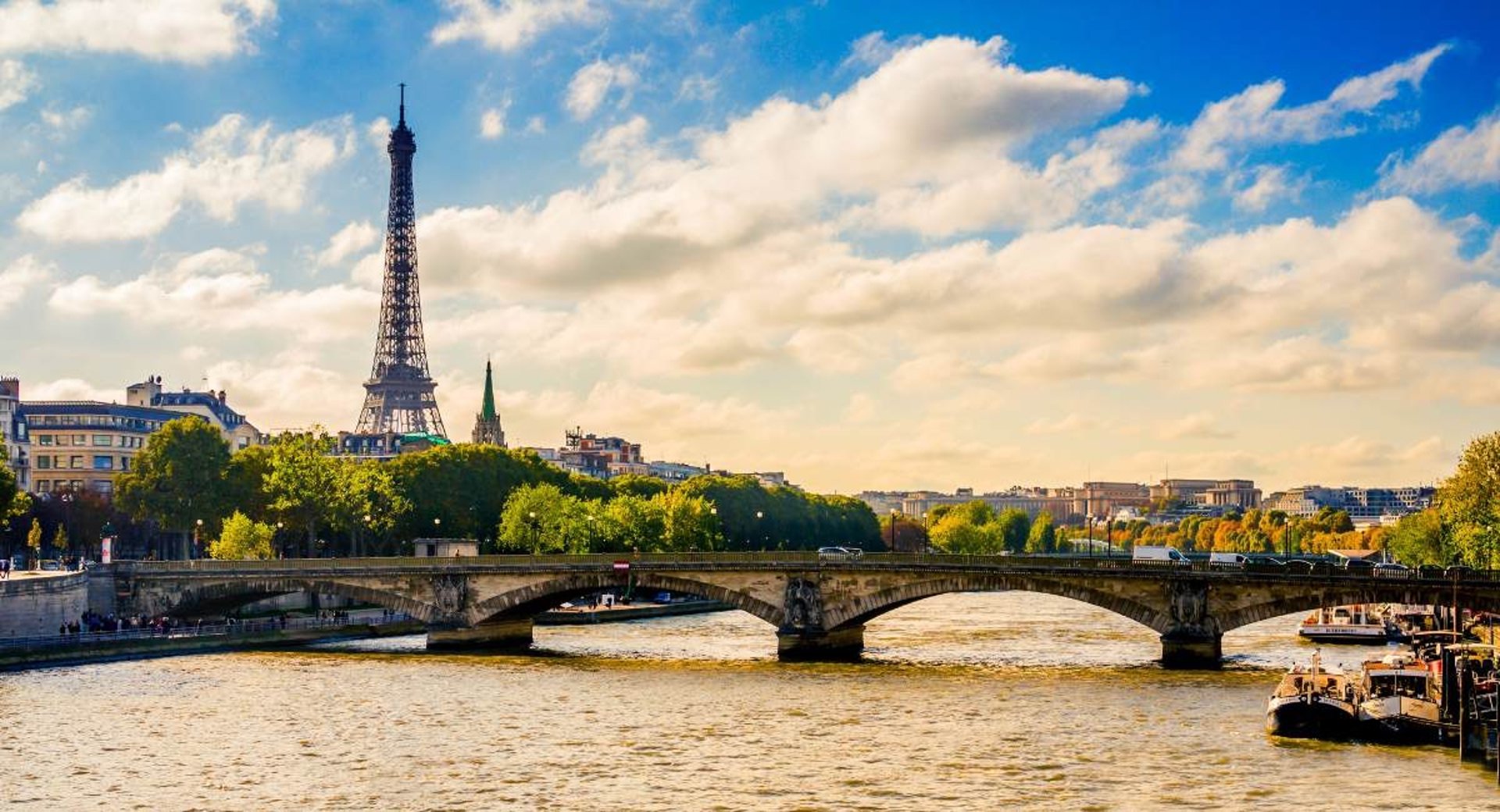
Paris is the city that needs no introduction — a place of timeless architecture, café terraces, cobblestone lanes, and world-famous museums. Yet beyond the landmarks lies the Paris retirees truly come for: a slower, more intimate version of the city, where daily life revolves around morning pastries, leisurely market visits, reading in parks, and strolling along the Seine at golden hour.
For retirees, Paris offers an unmatched blend of culture, walkability, public transport, and world-class healthcare. Each neighborhood feels like its own small village, and the rhythm of life encourages you to savor moments rather than rush through them.
Climate
Paris has four mild seasons, with cool winters, warm summers, and beautiful spring and autumn months perfect for long walks. It’s a climate well suited to year-round urban living.
Cost of Living & Housing
Paris is France’s most expensive city, but retirees who value culture, convenience, and access to world-class amenities often find it worth the cost. Housing prices vary significantly by arrondissement.
1-BR apartment: €1,200–€2,000+
2-BR apartment: €1,800–€3,200+
Premium central arrondissements: €3,500–€6,000+
Groceries, transport, and daily expenses are reasonable, especially if you embrace local markets and neighborhood shops.
Best Neighborhoods for Retirees
Paris is known for its “20 arrondissements,” each with its own personality. Retirees tend to favor areas with strong community feel, green spaces, and quieter streets.
Le Marais (3rd & 4th): Walkable, historic, full of cafés, galleries, and boutique shops
6th Arrondissement (Saint-Germain-des-Prés): Elegant, literary, iconic cafés, and charming streets
7th Arrondissement: Quiet, refined, home to the Eiffel Tower and excellent markets
15th Arrondissement: Residential, relaxed, affordable compared to central districts
Montmartre (18th): Bohemian, artistic, village-like atmosphere on a hilltop
Lifestyle & Food
Daily life in Paris is shaped by ritual — coffee at a favorite café, shopping at your local boulangerie, choosing produce at an outdoor market, or simply reading a book beside the Seine. The food scene is exceptional at every level, from neighborhood bistros to Michelin-starred restaurants. Culture is everywhere: art exhibitions, concerts, festivals, and historic landmarks at your doorstep.
Healthcare in Paris
Paris has some of the best healthcare facilities in Europe. Hospitals and clinics are modern, efficient, and relatively affordable, especially once you join the French public system or obtain private supplemental insurance.
Hôpital Européen Georges-Pompidou (public)
Hôpital Cochin (public, major teaching hospital)
American Hospital of Paris (private, expat-friendly)
Clinique du Louvre (private)
Lyon
Overview & First Impressions
Lyon is often described as France’s most livable city — elegant, historic, walkable, and blessed with a slower pace than Paris but far more cultural depth than many smaller towns. Set at the meeting point of the Rhône and Saône rivers, Lyon feels like a city made for strolling: cobblestone lanes, waterfront promenades, leafy squares, and Renaissance architecture create a layered, atmospheric backdrop for daily life.
For retirees, Lyon offers an appealing balance. It has world-class healthcare, strong public transportation, a celebrated food scene, and a gentler rhythm than Paris. You’ll find centuries-old neighborhoods, magnificent churches, bustling fresh markets, and some of France’s most beloved cafés and “bouchons” — the city’s traditional eateries. Lyon is sophisticated without being overwhelming, cultured without being pretentious, and welcoming without being touristy.
Climate
Lyon has four distinct seasons. Summers are warm and sunny, winters are cool but rarely severe, and spring and autumn are particularly beautiful, with crisp air and clear light that make the city’s riverbanks glow.
Cost of Living & Housing
Lyon’s cost of living is lower than Paris but higher than many smaller French cities. Housing is generally more affordable than the capital, and many retirees choose Lyon for this reason — it delivers big-city amenities without big-city prices.
1-BR apartment: €800–€1,200
2-BR apartment: €1,100–€1,700
Prime historic districts: €1,800–€2,800+
Best Neighborhoods for Retirees
Lyon’s districts (“arrondissements”) each have their own identity. Retirees tend to prefer areas with a calm atmosphere, walkability, and easy access to markets, cafés, and medical services.
Vieux Lyon: Renaissance charm, cobblestone streets, stunning architecture, and a village feel
Presqu’île: Central, scenic, full of shops, cafés, and elegant 19th-century buildings
Croix-Rousse: Artistic, hillside neighborhood with markets and panoramic views
6th Arrondissement (Brotteaux): Leafy, upscale, near Parc de la Tête d’Or
Lifestyle & Food
Lyon is known as the gastronomic capital of France — a title it wears proudly. Markets are exceptional, restaurants range from simple bouchons to Michelin-star winners, and food culture is a central part of daily life. Retirees quickly settle into routines involving riverfront walks, café mornings, and market shopping at places like Les Halles de Lyon Paul Bocuse.
The city also boasts excellent museums, theaters, churches, and festivals, giving retirees a full menu of cultural activities throughout the year. Despite its sophistication, Lyon is relaxed and welcoming, with a strong sense of community.
Healthcare in Lyon
Lyon is home to several major hospitals and research centers, making it one of France’s best cities for healthcare. Residents will find both public and private facilities with excellent reputations and modern equipment.
Hospices Civils de Lyon (public hospital network, highly regarded)
Hôpital Edouard Herriot (public)
Clinique du Parc (private)
Hôpital Lyon Sud (public, major teaching hospital)
Nice
Overview & First Impressions
Nice is the elegant heart of the French Riviera — a city of palm-lined boulevards, turquoise waters, pastel buildings, and a Mediterranean lifestyle that feels both soft and sophisticated. With more than 300 days of sunshine per year, a thriving international community, excellent public transportation, and endless cultural events, Nice is one of the most popular retirement destinations in all of Europe.
Life here moves at a gentle pace. Mornings often begin with a stroll along the Promenade des Anglais or coffee in Old Town’s sun-washed squares. Afternoons might include a market visit, a swim in the sea, or a museum stop — Nice has more than a dozen excellent ones. Evenings invite long dinners outdoors, fresh seafood, rosé wine, and warm breezes. For retirees seeking beauty, comfort, and mild winters, Nice is hard to beat.
Climate
Nice has a classic Mediterranean climate — warm summers, mild winters, and abundant sunshine. It offers one of the best climates in Europe for year-round outdoor living.
Cost of Living & Housing
As a premier Riviera city, Nice is more expensive than most French destinations, though still more affordable than Paris for many types of housing. Retirees pay for sunshine, seaside access, and an exceptional quality of life.
1-BR apartment: €1,000–€1,600
2-BR apartment: €1,500–€2,400
Seafront properties: €2,500–€4,000+
Best Neighborhoods for Retirees
Nice’s neighborhoods each offer a different flavor of Riviera life — from peaceful hillside views to bustling coastal promenades.
Old Town (Vieux Nice): Charming, colorful, historic, with markets and narrow lanes
Promenade des Anglais: Iconic seafront apartments with endless Mediterranean views
Cimiez: Quiet, green, elegant; popular with retirees for its calm atmosphere
Port Area: Trendy, walkable, full of cafés and coastal energy
Fabron: Residential, peaceful, with modern apartments and scenic views
Lifestyle & Food
Retirees love Nice for its sunshine, gentle rhythm, and Mediterranean lifestyle. Seafood, Italian-influenced dishes, fresh produce, and Provençal flavors shape the local cuisine. Market days are a highlight — the Cours Saleya market is one of France’s most iconic. Cultural life is rich too: art museums, classical music, festivals, and easy access to nearby Riviera towns like Antibes, Cannes, and Villefranche-sur-Mer.
Healthcare in Nice
Nice offers excellent medical care, including major hospitals and specialized clinics. Many English-speaking physicians practice here due to the large international population.
Centre Hospitalier Universitaire (CHU) de Nice (public, major teaching hospital)
Clinique Saint-Antoine (private)
Hôpital Pasteur 2 (public, modern and highly rated)
Polyclinique Santa Maria (private)
Aix-en-Provence
Overview & First Impressions
Aix-en-Provence is the quintessential Provençal city — elegant, sunlit, and deeply tied to art, culture, and the rhythms of southern French life. Famous as the home of painter Paul Cézanne, Aix feels like a living canvas, filled with tree-lined boulevards, golden stone buildings, lively squares, and fountains at nearly every turn. It’s a place where retirees find both tranquility and sophistication, wrapped in a warm Mediterranean atmosphere.
The city is large enough to offer every modern convenience — excellent healthcare, museums, markets, and cafés — yet small enough that daily life feels intimate and walkable. Its outdoor markets, flower stalls, and soft light make even routine errands feel like part of a grand Provençal ritual. Many retirees choose Aix for its refined atmosphere, sunshine, and high quality of life.
Climate
Aix enjoys a classic Mediterranean climate with warm, dry summers and mild winters. Sunshine is abundant, and even winter days often feel bright and comfortable. The famous “Mistral” wind can blow in bursts, but it also keeps the air crisp and skies clear.
Cost of Living & Housing
Aix-en-Provence is one of the more expensive cities in southern France, especially in its historic center. Retirees appreciate its beauty, safety, and elegance, and prices reflect that desirability. Suburbs and outlying villages provide more affordable options while still offering easy access to the city.
1-BR apartment: €1,000–€1,500
2-BR apartment: €1,400–€2,200
Historic center / premium homes: €2,500–€4,000+
Best Neighborhoods for Retirees
Aix is divided into charming districts, each with its own character. Retirees most often choose areas with quiet streets, markets, and easy access to cafés and shops.
Centre Ville: Historic, lively, walkable, full of fountains, markets, and beautiful old buildings
Mazarin Quarter: Elegant, refined, filled with 17th–18th-century mansions and quiet lanes
Allées Provençales: Modern, clean, convenient, near shopping and pedestrian zones
North Aix: Residential and quiet, with newer housing and easy access to nature
Lifestyle & Food
Daily life in Aix revolves around outdoor markets, café terraces, art, and slow meals. Retirees often spend mornings at one of the city’s many markets — the flower market, the produce market, or the artisanal craft stalls. Afternoons might include a museum visit, a walk through Cézanne’s favorite landscapes, or a glass of wine at a shaded terrace.
Food in Aix leans Provençal: olive oil, tomatoes, seafood, fresh herbs, lavender-infused desserts, and rosé wines from nearby vineyards. The region is full of charming hilltop villages and wineries, making day trips endlessly enjoyable.
Healthcare in Aix-en-Provence
Aix offers strong medical care through a combination of public and private hospitals. The city has an excellent reputation for general practitioners, specialists, and outpatient clinics, and retirees with residency can join the French national healthcare system.
Centre Hospitalier d’Aix en Provence (public)
Clinique Axium (private)
Hôpital Privé de Provence (private, modern)
Bordeaux
Overview & First Impressions
Bordeaux is a city of elegance and easy charm — a place where grand 18th-century architecture meets riverfront promenades, lush parks, and a famously relaxed lifestyle. Although known around the world for its wine, Bordeaux is far more than vineyards and chateaux. It’s a beautifully restored city with wide pedestrian streets, lively squares, thriving markets, and a strong cultural identity. For retirees, Bordeaux offers a harmonious blend of beauty, affordability, and comfort.
The city feels spacious and civilized, with soft golden stone buildings, leafy boulevards, and a riverfront that invites long afternoon walks. Bordeaux’s pace of life is gentler than Paris but still rich with museums, concerts, festivals, and excellent dining. The surrounding wine country adds an entirely different layer of pleasure — countryside villages, vineyards, and slow scenic drives are all part of the rhythm of living here.
Climate
Bordeaux has a temperate Atlantic climate with mild winters and warm summers. Rain is more common in cooler months, but overall the climate is comfortable and ideal for year-round outdoor activities.
Cost of Living & Housing
Prices in Bordeaux are moderate compared to Paris and Nice, and many retirees find it one of the best-value major cities in France. Housing ranges from historic apartments to modern riverside developments.
1-BR apartment: €800–€1,200
2-BR apartment: €1,100–€1,700
Premium central or riverside homes: €1,800–€2,800+
Best Neighborhoods for Retirees
Bordeaux’s districts offer a mix of lively urban living and quiet residential comfort. Retirees often choose areas near parks, markets, and public transit.
Chartrons: Trendy and historic, filled with wine shops, boutiques, and leafy streets
Saint-Pierre: The old town; charming, walkable, full of cafés and medieval architecture
Les Quinconces / Triangle d’Or: Elegant, central, near shopping and cultural venues
La Bastide: Riverside, more affordable, with modern housing and green spaces
Lifestyle & Food
Life in Bordeaux moves at a gentle, pleasant pace. Locals enjoy long lunches, weekend wine tastings, and leisurely evenings on terraces overlooking the Garonne River. The food scene is exceptional: oysters, seafood, market produce, artisan cheeses, and of course, outstanding local wines. Outdoor markets are a major part of daily life, adding color and connection to the city’s already high quality of living.
The surrounding region provides endless opportunities for day trips — from the Atlantic coast’s beaches and dunes to the historic wine villages that dot the countryside. For retirees who enjoy culture, food, and scenic beauty, Bordeaux is one of France’s most complete packages.
Healthcare in Bordeaux
Bordeaux has excellent healthcare options, including respected public hospitals and private clinics. The region is home to strong medical research institutions, making specialized care easily accessible.
CHU de Bordeaux (Centre Hospitalier Universitaire) — one of France’s largest and most respected public hospital networks
Hôpital Saint-André (public)
Clinique Saint-Augustin (private)
Polyclinique Bordeaux Nord (private)
Montpellier
Overview & First Impressions
Montpellier is one of southern France’s most youthful and vibrant cities — a sunlit blend of medieval streets, modern architecture, palm-lined plazas, and a lively café culture that thrives year-round. Known for its universities, artistic energy, and Mediterranean atmosphere, Montpellier offers retirees a warm climate, excellent public transport, and an active lifestyle within a city that feels both historic and contemporary.
The old town is a maze of narrow stone lanes, hidden courtyards, and charming squares filled with café terraces and musicians. Just steps away, sleek new districts showcase striking architecture and open green spaces. Retirees often fall in love with Montpellier’s mix of elegance, creativity, and gentle seaside proximity — the beaches of Palavas-les-Flots are just a short tram-and-bus ride away.
Climate
Montpellier enjoys a classic Mediterranean climate — long, sunny summers and mild winters. With over 300 days of sunshine per year, it’s one of France’s best-weather cities for retirees who want warmth and light without the intensity of the Riviera’s high summer heat.
Cost of Living & Housing
Montpellier is more affordable than Nice or Aix-en-Provence, yet offers many of the same Mediterranean charms. Housing costs vary by neighborhood but are generally manageable compared to other southern French cities.
1-BR apartment: €750–€1,200
2-BR apartment: €1,000–€1,600
Modern or central units: €1,500–€2,200+
Best Neighborhoods for Retirees
Montpellier’s neighborhoods each provide a different flavor of life, from historic charm to seaside breezes to modern residential comfort.
Écusson (Old Town): Medieval beauty, pedestrian streets, cafés, markets; ideal for a walkable lifestyle
Antigone: Bright, elegant, neoclassical architecture with parks and wide open spaces
Port Marianne: Modern, green, stylish; popular with retirees wanting comfort and convenience
Beaux-Arts: Artistic, friendly, village-like, full of local shops and markets
Lifestyle & Food
Montpellier has a youthful, creative energy that makes daily life feel lively without being chaotic. Outdoor dining, live music, theater, and cultural festivals are constant throughout the year. Retirees often enjoy the city’s spacious markets, easy tram system, and the proximity of beaches, vineyards, and nature preserves.
Food in Montpellier blends Mediterranean influences with classic French cuisine. Fresh seafood, olives, fruits, vegetables, and regional wines feature prominently. It’s an ideal place for retirees who enjoy an active, outdoor lifestyle with plenty of cultural depth.
Healthcare in Montpellier
Montpellier is home to one of France’s most important medical universities, giving the city access to highly trained doctors, specialists, and modern facilities. Healthcare quality is excellent, and retirees with residency can enroll in the French public system.
CHU de Montpellier (public, major university hospital)
Clinique Clémentville (private)
Clinique du Millénaire (private, modern)
Rennes
Overview & First Impressions
Rennes is the cultural and historic heart of Brittany — a warm, welcoming city known for its half-timbered houses, lively markets, leafy squares, and youthful energy. It blends medieval charm with modern amenities, offering retirees a quieter, more affordable lifestyle than many southern cities while still providing excellent healthcare, strong public transport, and rich cultural life.
What draws many retirees to Rennes is the balance: it feels vibrant without being hectic, historic without feeling stuck in time, and comfortably sized without sacrificing convenience. The city is walkable, friendly, and full of cafés, bookstores, galleries, and small restaurants serving regional Breton specialties. Market days, especially at Marché des Lices, are beloved rituals that bring the community together.
Climate
Rennes has a mild oceanic climate. Winters are cool and wet, summers are pleasant and never too hot, and spring and autumn offer comfortable, moderate weather. It’s ideal for retirees who prefer temperate conditions over intense Mediterranean heat.
Cost of Living & Housing
Rennes is significantly more affordable than Paris, Nice, or Lyon. Retirees often appreciate how far their budget goes here while still enjoying a high quality of life.
1-BR apartment: €650–€950
2-BR apartment: €900–€1,400
Historic center homes: €1,300–€1,900+
Best Neighborhoods for Retirees
Rennes’ neighborhoods each offer a different feel — from medieval lanes to green residential districts. Retirees often choose areas with walkability, charm, and quiet streets.
Centre Historique: Beautiful medieval center, colorful houses, walkable and lively
Thabor–Saint-Hélier: Close to the famous Thabor Gardens, elegant, peaceful, very popular with retirees
Beaulieu: Residential, green, calm, good for retirees who prefer tranquility
Bourg-l’Évêque: Community-oriented, near markets, shops, and green spaces
Lifestyle & Food
Life in Rennes is marked by community, culture, and tradition. Retirees enjoy strolling through historic streets, spending lazy afternoons in parks, visiting museums, and taking weekend trips to Brittany’s rugged coastline — about an hour away. Rennes also has an excellent culinary scene, with Breton dishes such as galettes, seafood, cider, and butter-rich pastries.
It’s a city where retirees can enjoy a calm lifestyle with strong cultural offerings, friendly locals, and easy travel connections to Paris and western France.
Healthcare in Rennes
Rennes has a strong reputation for medical care with several excellent hospitals and research clinics. As with all French cities, legal residents can access public healthcare, and private supplemental insurance is affordable.
CHU de Rennes — Pontchaillou (public, major teaching hospital)
Hôpital Sud (public)
Clinique La Sagesse (private)
Residency Options for Foreign Retirees
Overview
France offers several viable immigration pathways for retirees, long-stay visitors, and remote workers. The country’s residency rules are clearly defined and relatively predictable, making long-term living possible for many foreigners who can demonstrate financial stability and private health coverage upon arrival. Once settled, retirees enjoy a high quality of life and access to one of the world’s most respected healthcare systems.
Long-Stay Visitor Visa (Visa de Long Séjour – VLS-TS)
This is the most common route for foreign retirees who wish to live in France without working. Often referred to as the “retirement visa,” it is designed for individuals who have sufficient passive income — such as pensions, retirement savings, rental income, or investment income — to support themselves.
Key requirements include:
Proof of stable passive income (pension, savings, investments)
Private health insurance valid in France for the first year
Proof of accommodation (rental contract or property deed)
Clean background check
The visa is typically valid for one year and can be renewed annually as long as financial requirements continue to be met.
Talent Passport / Business Investment Pathways
This option is not designed for retirees but may appeal to individuals who want to invest in French businesses, launch a company, or contribute economically. It provides a pathway to residency but is generally more relevant to entrepreneurs than retirees.EU/EEA/Swiss Citizens
Citizens of the EU, EEA, or Switzerland can move to France freely and register for residency without needing a visa. This simplifies the process substantially and grants immediate access to France’s public healthcare system once registered.
Permanent Residency & Citizenship
Path to Permanent Residency
Foreigners who legally reside in France for five continuous years may apply for a Carte de Résident, a 10-year renewable residency card. This card grants nearly all the rights of French citizens, including access to the public healthcare system, social benefits, and the ability to work (if desired).
Additional requirements typically include proof of integration into French life, stable resources, and basic French language ability.
Path to Citizenship
After five years of legal residency (or sometimes longer, depending on circumstances), many foreigners can apply for French citizenship through naturalization. Applicants must demonstrate integration, a clean legal record, and sufficient French language proficiency.
Successful applicants receive a French passport and full rights of citizenship, including EU mobility.
Healthcare Access in France
Overview of the French System
France is renowned for having one of the world’s best healthcare systems — modern, efficient, and accessible. Retirees who gain legal residency are eligible to join the national healthcare program known as PUMA (Protection Universelle Maladie). Once enrolled, individuals pay modest annual contributions based on income, and most medical costs are reimbursed at high percentages.
Public Healthcare
Public healthcare in France covers general practitioners, specialists, diagnostic tests, emergency services, and hospital care. Prescription medications are highly subsidized, and wait times are generally reasonable compared to other countries with universal systems.
Private Healthcare
Many retirees also carry supplemental private insurance, known as mutuelle, which covers the portion of medical costs not reimbursed by the state. These plans are affordable and widely used by both locals and expats.
Private insurance typically costs:
€30–€120 per month depending on age and coverage
Where Should You Live?
France offers an unusually diverse range of retirement lifestyles — from sun-drenched Mediterranean cities to Atlantic coastal towns to elegant inland cultural centers. The “best” place depends on climate preferences, budget, and the kind of daily life you imagine.
Paris: Best for culture lovers, world-class dining, museums, and walkability
Lyon: Best for retirees who want refined living, food culture, and excellent healthcare
Nice: Best for sunshine, beaches, Mediterranean scenery, and mild winters
Aix-en-Provence: Best for elegant, sunlit Provençal living with markets and art
Montpellier: Best for affordable Mediterranean living with youthful energy
Bordeaux: Best for wine country charm, affordability, and beautiful architecture
Rennes: Best for mild weather, affordability, and a warm, community-oriented lifestyle
Conclusion
France offers one of the most romantic, rewarding, and enriching retirement lifestyles in the world — a blend of beauty, culture, comfort, and stability that few countries can match. Whether you imagine long afternoons in Parisian cafés, quiet village markets in Provence, the sea breeze of the Riviera, or the refined charm of cities like Lyon, Bordeaux, and Rennes, France invites you to experience life at a gentler, more thoughtful pace.
Retirees value France not only for its atmosphere, but also for its practical advantages: exceptional healthcare, a strong social safety net, comprehensive public transportation, reliable infrastructure, and clearly defined residency pathways that make long-term living genuinely accessible. Once you are registered as a resident, France’s healthcare system becomes a major asset — high quality, efficient, and affordable.
Daily life in France is built around simple pleasures: fresh bread from the local bakery, open-air markets overflowing with produce, strolls through historic streets, vibrant cultural events, and long meals shared with friends. It’s a place where retirees can live slowly, meaningfully, and beautifully — without sacrificing comfort or convenience.
From the sunlit plazas of Montpellier to the grand boulevards of Paris, the vineyards surrounding Bordeaux, and the Mediterranean colors of Nice, France offers endless ways to craft your ideal retirement. If you’re seeking a country that balances elegance with ease, tradition with modernity, and culture with high quality of life, France may be the perfect place to begin your next chapter.
Sources
French Ministry for Europe and Foreign Affairs
https://www.diplomatie.gouv.fr/en/
Service-Public.fr (Official French Administration Portal)
https://www.service-public.fr/
French Ministry of Health and Solidarity
https://solidarites-sante.gouv.fr/
Ameli (Assurance Maladie – French Health Insurance)
https://www.ameli.fr/
INSEE (National Institute of Statistics and Economic Studies)
https://www.insee.fr/en/accueil
France.fr (Official Tourism Website of France)
https://www.france.fr/en
World Bank – France Country Data
https://data.worldbank.org/country/france