
Retire in Greece: Best Islands, Cities, Visas & Healthcare
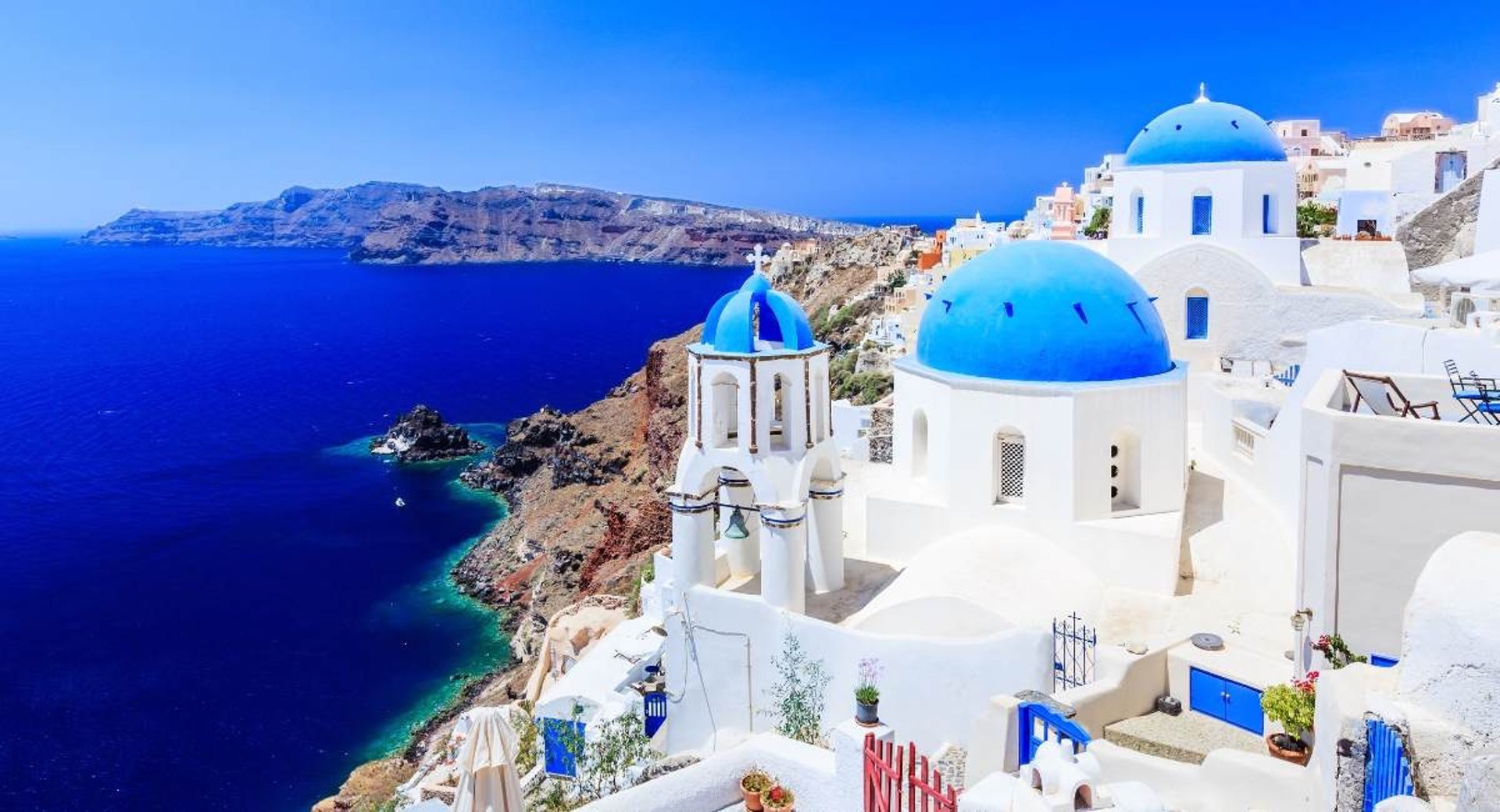
Greece offers a way of living that feels both timeless and restorative. Morning light settles over whitewashed villages, the sea glimmers in shades of blue that shift gently with the wind, and daily life unfolds at a pace that encourages presence rather than hurry. Across its islands and cities—from the calm shores of Crete and Corfu to the historic heart of Athens and the seaside grace of Kalamata and Nafplio—Greece reveals a landscape where beauty and simplicity come together naturally.
For retirees, Greece offers more than postcard scenery. It provides a sense of grounding, of connection to neighbors and community, and an everyday rhythm shaped by open-air markets, seaside strolls, lingering meals, and warm conversations. The country’s cost of living can be surprisingly moderate, and its healthcare system—public and private—is accessible, reliable, and increasingly international. In many ways, Greece feels like a place where life expands, quietly and meaningfully, one day at a time.
What Makes Greece Appealing to Expats and Retirees
Cost of Living
Greece offers a wide spectrum of affordability, depending on whether you choose a major city like Athens or a quieter island community. Overall, retirees find that their cost of living falls noticeably below that of North America or Western Europe. Fresh food is inexpensive, rent can be reasonable outside the most tourist-heavy zones, and many islands offer small-town pricing and low everyday costs.
Affordable groceries, markets, and local dining
Lower rent on islands and in smaller cities
Reasonable public transportation and utility costs
Cultural Atmosphere & Everyday Life
Greece is warm, expressive, and community-oriented. Life is lived in public spaces—squares, cafés, waterfront promenades—and conversations flow easily. Additionally, cultural heritage is woven into daily life: ancient ruins in the midst of modern neighborhoods, traditional festivals, family-run tavernas, and lively music that carries through open windows at night.
Strong community life, especially on islands
Rich history, art, and traditional celebrations
Relaxed Mediterranean lifestyle
Safety
Greece is considered one of the safest countries in Europe. Violent crime rates are low, and even large cities feel comfortable for retirees. Neighborhoods tend to be lively and welcoming, with a strong emphasis on community connection.
Very low violent crime
Safe island and small-town living
Comfortable city environments with active public life
Healthcare Quality
Greece’s healthcare system is well-regarded, with modern facilities in major cities and reliable regional hospitals throughout the islands. Private healthcare is affordable and widely used by expats. Many doctors in private clinics speak English, and both general practitioners and specialists are easy to access.
Best Hospitals in Greece (Nationally):
Hygeia Hospital (Athens): One of Greece’s top private hospitals.
Alexandra General Hospital (Athens): Well-known for cardiology and women’s health.
Attikon University Hospital (Athens): Major public teaching hospital.
IASO General Hospital (Athens): Advanced private medical center.
Heraklion University Hospital (Crete): Strong regional hospital serving Crete.
Climate
Greece’s climate is one of its greatest attractions: long summers, mild winters in many regions, abundant sunshine, and moderate humidity. Inland and northern areas experience more seasonal variation, while islands enjoy warm, bright weather for much of the year.
Warm Mediterranean climate
Long summers and mild springs and autumns
Island breezes and coastal moderation
Crete (Chania & Rethymno)
Overview & First Impressions
Crete is a world unto itself—rugged mountains, turquoise bays, fertile valleys, and cities that blend Venetian, Ottoman, and Greek heritage into a single, captivating landscape. Life here feels expansive yet grounded, shaped by island traditions, local food, and a generous sense of community. Among Crete’s many appealing cities, Chania and Rethymno stand out for their beauty, walkability, and exceptional quality of life.
Chania, with its Venetian harbor and atmospheric old town, feels romantic and vibrant, offering seaside living with a creative edge. Meanwhile, Rethymno offers a more relaxed rhythm: narrow streets, a long sandy beach, and a compact center where daily life feels effortlessly pleasant. Retirees who choose Crete often appreciate the island’s self-sufficient nature, abundant sunshine, and strong local culture.
Weather & Climate
Crete enjoys one of the warmest climates in Greece. Summers are long and bright, while winters remain mild, especially along the coast. Mountain villages are cooler, with seasonal variation.
Summer: 82–95°F (28–35°C)
Winter: 50–60°F (10–16°C)
Over 300 sunny days a year
Cost of Living & Housing
Crete is moderately priced compared to other Greek islands, offering excellent value for retirees. Chania is more expensive than Rethymno, yet both provide affordable groceries, dining, and services.
1-bedroom in Chania: €700–€1,000/month
1-bedroom in Rethymno: €550–€850/month
Local tavern meals: €8–€12 per person
Best Neighborhoods for Retirees
Most retirees choose areas that balance walkability, access to the sea, and everyday convenience.
Chania – Old Town: Atmospheric, historic, and scenic (more touristy).
Chania – Nea Chora: Beachfront, relaxed, great for swimming.
Rethymno – Old Town: Beautiful Venetian-era streets with a village feel.
Rethymno – Perivolia: Quiet residential area near the beach.
Local Transportation
Crete is best explored with a car, yet Chania and Rethymno themselves are walkable. Buses connect major cities and coastal towns, while ferries and flights from Chania and Heraklion link the island to Athens and Europe.
Lifestyle, Culture & Food
Cretan culture is robust and deeply rooted in tradition. Retirees quickly adjust to the island’s rhythm—morning coffees at a seaside café, shopping at weekly markets, leisurely lunches, and evenings spent along the waterfront. Cretan cuisine is famously healthy, relying on olive oil, fresh vegetables, herbs, and seafood. The sense of hospitality here is genuine and warm.
Healthcare in Crete
Crete has strong regional healthcare supported by modern hospitals and private clinics. Chania and Heraklion offer the best-equipped medical centers.
Chania General Hospital: Main public hospital for Western Crete.
Rethymno General Hospital: Solid regional facility.
University Hospital of Heraklion: One of Greece’s top teaching hospitals.
Pros of Crete
Crete appeals to retirees who want sun, scenery, and year-round outdoor living.
Excellent climate and natural beauty
Authentic island culture
Strong healthcare access
Relaxed, welcoming atmosphere
Cons of Crete
Despite its appeal, Crete’s island geography brings some limitations.
Requires flights or ferries for mainland travel
Some areas are very seasonal
Car recommended for full mobility
Corfu
Overview & First Impressions
Corfu’s lush green hills, turquoise waters, and charming Venetian-influenced architecture give it a uniquely elegant atmosphere among Greek islands. It feels both cosmopolitan and deeply traditional—quiet villages in the countryside, a lively Old Town, and countless coves where the sea meets olive groves. Retirees who choose Corfu often fall in love with its gentle beauty, friendly communities, and relaxed island pace.
The island is large enough to offer excellent services and healthcare, yet small enough to feel intimate. Moreover, its Ionian climate—less dry than the Aegean—is ideal for retirees who prefer greener landscapes and mild weather.
Weather & Climate
Corfu benefits from warm summers and mild winters, with more rainfall in the cooler months that keeps the island green.
Summer: 80–90°F (27–32°C)
Winter: 50–60°F (10–16°C)
Green landscapes due to winter rains
Cost of Living & Housing
Corfu offers moderate island pricing. Popular coastal zones cost more, while inland villages provide excellent value.
1-bedroom in Corfu Town: €700–€1,000/month
Inland villages: €450–€700/month
Strong value for groceries and local tavernas
Best Neighborhoods for Retirees
Retirees typically select areas that combine scenery, convenience, and good access to healthcare.
Corfu Town (Kerkyra): Elegant architecture and walkable streets.
Gouvia: Marina area with easy transport links.
Dassia: Calm coastal living with modern amenities.
Paleokastritsa: Stunning scenery for nature lovers.
Local Transportation
Corfu has a reliable bus network connecting villages and beaches. Car rental or ownership is common for reaching remote bays. Ferries and flights link Corfu Town to Athens and various European cities.
Lifestyle, Culture & Food
Life in Corfu is shaped by the sea and by centuries of multicultural influence. Venetian, French, and British architecture blend with traditional Greek customs, creating a unique island identity. Food is fresh and delicate—olive oil, seafood, kumquat liqueur, sofrito, and pastitsada are local favorites.
Healthcare in Corfu
Corfu offers solid healthcare with both public and private facilities available across the island.
Corfu General Hospital: Main public hospital.
Mediterraneo Medical Center: Modern private clinic.
Euromedica Corfu: Private diagnostic center.
Pros of Corfu
Corfu appeals to retirees seeking coastal beauty and a gentler island atmosphere.
Green landscapes and beautiful beaches
Walkable Old Town with rich culture
Good healthcare access
Mild climate
Cons of Corfu
Corfu is not as convenient as Athens or Crete for year-round transportation.
Seasonal tourism affects prices
High humidity at times
Some rural areas require a car
Athens
Overview & First Impressions
Athens is a city where ancient history and modern Mediterranean life blend seamlessly. The Parthenon rises above neighborhoods filled with cafés, markets, shaded squares, and everyday rhythms that feel both lively and familiar. Retirees who choose Athens often appreciate its cultural depth, urban conveniences, and the warmth of Greek community life. Despite being a major capital, Athens manages to feel remarkably human in scale—walkable, social, and full of neighborhood pockets where the pace slows beautifully.
Moreover, Athens is an ideal choice for retirees who love museums, galleries, classical music, and historic architecture. Each district has its own personality—from the elegant hills of Kolonaki to the village-like calm of Koukaki. Add in excellent healthcare and year-round flight connections, and Athens becomes one of the easiest European capitals for long-term living.
Weather & Climate
Athens enjoys a warm Mediterranean climate, with hot summers and mild winters. Breezes from the sea and hills bring welcome balance.
Summer: 85–100°F (29–38°C)
Winter: 48–58°F (9–14°C)
Dry, sunny conditions for most of the year
Cost of Living & Housing
Athens is more affordable than many European capitals, though prices vary significantly by neighborhood. Dining out, transport, and healthcare remain very reasonably priced.
1-bedroom in Kolonaki or Koukaki: €900–€1,400/month
1-bedroom in outlying areas: €600–€900/month
Best Neighborhoods for Retirees
Retirees typically choose districts that balance culture, walkability, safety, and proximity to green spaces or waterfront paths.
Koukaki: Charming, walkable, close to the Acropolis.
Kolonaki: Elegant, central, near museums and cafés.
Nea Smyrni: Relaxed, green, with excellent amenities.
Glyfada: Coastal suburb with a modern, international feel.
Local Transportation
Athens has an efficient metro, tram, and bus network that makes it easy to avoid driving. Walkability varies by neighborhood, and connections to the islands and Europe are excellent via the airport and Piraeus port.
Lifestyle, Culture & Food
Athens is a cultural hub: museums, theaters, open-air cinemas, classical concerts, and art exhibitions fill the calendar. Food is a highlight—mezze, fresh seafood, grilled meats, pastries, and wine shared in lively tavernas. The pace may be energetic at times, but it is balanced by everyday rituals of coffee, conversation, and slow evening walks.
Healthcare in Athens
Athens has the best healthcare access in Greece, offering both world-class private hospitals and major public institutions.
Hygeia Hospital: One of Greece’s top-ranked private hospitals.
IASO General Hospital: Modern, high-level care.
Attikon University Hospital: Advanced public teaching hospital.
Pros of Athens
Athens offers retirees culture, convenience, and top-tier healthcare.
Rich cultural life and history
Excellent medical facilities
Walkable neighborhoods
International airport and ferry access
Cons of Athens
Athens may not suit retirees seeking total quiet or island-style relaxation.
Hot summers in the city
Noise and traffic in some districts
Higher rents in central neighborhoods
Kalamata
Overview & First Impressions
Kalamata is a sunlit coastal city in the Peloponnese known for its relaxed pace, beautiful coastline, and dramatic mountain backdrop. It feels both modern and deeply traditional—busy cafés along the seaside promenade, a lively historic center, and markets filled with fresh produce, olives, and local honey. Retirees often find Kalamata to be a refreshing middle ground: large enough to offer excellent services, yet not overwhelming or crowded.
Because Kalamata is less tourist-driven than many Greek islands, everyday life feels authentic and grounded. The waterfront offers long walking paths, and the Taygetos Mountains provide endless opportunities for nature lovers who enjoy hiking or scenic drives. As a result, Kalamata is ideal for retirees who want accessibility and beauty without the higher prices or busy pace of more famous destinations.
Weather & Climate
Kalamata enjoys warm Mediterranean weather with mild winters and sunny summers moderated by coastal breezes.
Summer: 80–92°F (27–33°C)
Winter: 50–60°F (10–16°C)
Ample sunshine year-round
Cost of Living & Housing
Kalamata is very affordable by Greek standards. Its housing prices are significantly lower than Athens or major islands, making it attractive for retirees seeking coastal living on a moderate budget.
1-bedroom near the sea: €500–€800/month
Inland neighborhoods: €400–€700/month
Best Neighborhoods for Retirees
Retirees typically choose areas near the waterfront or close to parks and amenities.
Navarinou Waterfront: Beautiful seafront promenade.
Analipsi: Quiet, residential, close to shops.
Verga: Hillside area with coastal views.
Local Transportation
Kalamata is walkable along the coast and center. Buses run throughout the city, and the airport offers flights to Athens and seasonal European destinations.
Lifestyle, Culture & Food
Life in Kalamata revolves around the sea, outdoor living, and local cuisine. Traditional tavernas, seaside cafés, and the city’s famous olives shape the culinary landscape. Cultural events—including music festivals and dance performances—take place regularly, especially in summer.
Healthcare in Kalamata
Kalamata offers solid regional healthcare with both public and private options.
Kalamata General Hospital: Main public hospital in the region.
City Clinic Messinia: Private medical center.
Pros of Kalamata
Kalamata is ideal for retirees who want a peaceful coastal lifestyle at modest cost.
Affordable seaside living
Relaxed pace and friendly community
Mountain and coastal scenery
Cons of Kalamata
Although appealing, Kalamata lacks the cultural intensity of Athens or the infrastructure of larger islands.
Fewer museums and cultural institutions
Limited international flights except seasonally
Nafplio
Overview & First Impressions
Nafplio is one of Greece’s most elegant small cities, with neoclassical mansions, a romantic waterfront, and beautiful stone streets winding through its historic old town. Perched beside the Argolic Gulf and overlooked by the impressive Palamidi Fortress, Nafplio offers a lifestyle that feels refined yet relaxed. Retirees often describe it as intimate, artistic, and endlessly walkable.
Despite its small size, Nafplio has an active cultural scene, excellent dining, and easy access to surrounding villages, beaches, and archaeological sites. Its beauty is undeniable, and many retirees find that Nafplio offers the perfect balance of charm, community, and coastal living.
Weather & Climate
Nafplio enjoys warm summers and mild winters, with sea breezes moderating temperatures throughout the year.
Summer: 82–95°F (28–35°C)
Winter: 50–60°F (10–16°C)
Pleasant shoulder seasons ideal for walking and outdoor life
Cost of Living & Housing
Nafplio is moderately priced. Its desirability means rents are higher than small inland towns but still below island hotspots.
1-bedroom in Old Town: €800–€1,200/month
Residential districts: €550–€850/month
Best Neighborhoods for Retirees
Retirees usually select areas close to the waterfront or within the charming historic center.
Old Town: Picturesque streets and lively squares.
Pronoia: Residential, quiet, and close to local shops.
Karathona area: Near beaches and scenic walking paths.
Local Transportation
Nafplio is walkable and easy to navigate. Buses connect the town to Athens and regional destinations. A car is useful for exploring the surrounding Peloponnese.
Lifestyle, Culture & Food
Nafplio’s lifestyle centers around seaside promenades, cafés, small museums, artisan shops, and traditional tavernas. The food is excellent—fresh seafood, local wine, grilled meats, and vibrant salads. Cultural festivals take place throughout the year, adding to the sense of gentle sophistication.
Healthcare in Nafplio
Nafplio has reliable regional healthcare, with more advanced options available in nearby Argos or Tripoli, and full access to Athens’s top hospitals within two hours.
Nafplio General Hospital: Main public hospital.
Private Clinics in Tolo & Argos: Additional options nearby.
Pros of Nafplio
Nafplio appeals to retirees seeking beauty, calm, and walkable coastal living.
Beautiful architecture and historic charm
Walkable and scenic
Cultural events and excellent dining
Cons of Nafplio
Although delightful, Nafplio is smaller and quieter than many Greek cities.
Can feel touristy in summer
Limited healthcare compared to Athens
Higher housing costs in Old Town
Residency, Permanent Residency & Citizenship
Greece offers several pathways for retirees who wish to settle long-term, and each option is shaped by a combination of simplicity, flexibility, and Mediterranean practicality. While Greece does not offer a traditional “retirement visa,” it does provide a long-stay visa designed specifically for non-working foreigners who can support themselves financially. Additionally, the popular Golden Visa program offers residency through property investment. Many retirees find that Greece’s residency landscape is more accessible than they initially expect, especially when supported by stable income and proper documentation.
Long-Stay (Financially Independent Person) Visa – Type D Visa
This is the main pathway for retirees, often referred to as the “FIP Visa.” It allows non-EU citizens who are financially independent to live in Greece without working. Although it requires careful preparation, it is widely used by retirees from the U.S., Canada, Australia, and beyond.
Income requirement: Typically around €2,000 per month for one person.
Additional requirement: €20,000+ in savings is often requested.
Family members: Additional 20% required for a spouse.
Housing: Must show proof of long-term rental or property ownership.
Insurance: Private health insurance required until enrolled in Greek healthcare.
Work: Employment in Greece is not permitted.
Once in Greece, retirees receive a residence permit, typically valid for one year and renewable for two-year periods after that. Many retirees renew these permits continuously as their long-term living solution.
Golden Visa Program (Residency by Investment)
Greece’s well-known Golden Visa program provides residency through real estate investment. While not designed specifically for retirees, it is popular among those who wish to purchase property and secure long-term residency with fewer administrative steps. The investment threshold differs by region.
€250,000 minimum investment in most regions.
€500,000 minimum in high-demand areas (e.g., parts of Athens, Thessaloniki, Santorini, Mykonos).
Residency granted for 5 years and renewable indefinitely.
No minimum stay requirement.
Does not require proof of ongoing income.
For retirees who plan to purchase a home in a more relaxed region—such as Crete, Corfu, or the Peloponnese—the lower €250,000 threshold often makes the Golden Visa particularly appealing.
Permanent Residency (After 5 Years)
Non-EU citizens who legally reside in Greece for five continuous years become eligible for long-term residency status. This applies to both retirees with a Financially Independent Person visa and Golden Visa holders.
Minimum 5 years of legal residence required.
Renewable in 5-year intervals.
Proof of stable income and health insurance required.
Basic Greek language skills may be requested.
Permanent residency is a meaningful milestone for retirees, offering stability and a longer-term horizon without the need for frequent renewals.
Citizenship
Greek citizenship is possible, but it requires a longer timeline and deeper integration. Greece allows dual citizenship—an important advantage for many retirees. Citizenship is typically pursued by those who plan to make Greece their true long-term home.
By residency: Available after 7 years of continuous residence.
Language requirement: B1 level Greek (basic conversational proficiency).
Civic integration: Knowledge of Greek society and history is evaluated.
Dual citizenship: Fully allowed.
How Retirees Commonly Navigate Residency in Greece
Most retirees begin with the Financially Independent Person (FIP) visa and renew it in two-year increments while settling into life in Greece. Others choose the Golden Visa if they prefer property ownership and fewer administrative requirements. After five years, many apply for permanent residency for long-term stability, while a smaller group later pursue citizenship.
Overall, Greece’s residency pathways are practical, well-established, and suited to retirees who value a calm, Mediterranean lifestyle with the flexibility to build a home that feels genuinely their own.
Access to Greece’s National Healthcare System
Greece’s healthcare system is a blend of public and private services, offering retirees strong medical care, affordable coverage, and widespread access to specialists. The national healthcare system—known as EFKA and administered through EOPYY—provides universal access for registered residents, while private clinics and hospitals deliver faster appointments and expanded language support. As a result, retirees often use a combination of both, depending on their needs and preferences.
Can Foreign Retirees Access Public Healthcare?
Yes. Once a retiree obtains a residence permit in Greece—whether through the Financially Independent Person visa or the Golden Visa—they may enroll in the public healthcare system. Enrollment provides access to doctors, specialists, diagnostics, hospitals, and subsidized medications.
Initially, retirees must have private health insurance to secure their visa, but after residency is granted and they receive a Greek tax number and social security number (AMKA), they may join the national system.
How Public Healthcare Works (EFKA / EOPYY)
Public coverage includes a wide range of medical services. Many public hospitals are well equipped—especially in major cities such as Athens, Heraklion, and Thessaloniki. However, wait times can vary, which is why many retirees combine public access with private care for convenience.
Primary care and general practitioners
Specialist visits
Hospitalization and emergency care
Diagnostic tests (bloodwork, scans, X-rays)
Subsidized prescription medications
Costs of Public Healthcare
Public healthcare in Greece is heavily subsidized, meaning costs are very low compared to many Western countries. Co-pays are minimal and medication prices are regulated.
Typical specialist co-pays: €10–€30
Public hospital emergency care: Free or minimal fee
Prescription medications: Strongly subsidized
Private Healthcare Options
Because private clinics offer shorter wait times, English-speaking specialists, and more personalized care, many retirees add a private insurance plan even after joining the public system. Private facilities in Athens, Chania, and other major cities are modern and well regarded.
Private insurance: €40–€150 per month depending on age and coverage
Private specialist visit: €40–€80
Private MRI: €120–€250
English-Speaking Doctors
Greece has a large number of English-speaking physicians, especially in private hospitals and clinics. Major expat destinations—including Athens, Chania, Rethymno, Corfu, Kalamata, and Nafplio—have strong private practices with multilingual staff. On smaller or more remote islands, English-speaking specialists may be more limited, but most retirees can access them within a short trip.
Quality of Care
Greece’s private hospitals are internationally recognized for their high standards, especially in cardiology, orthopedics, and oncology. Public facilities vary by region, but major cities and several islands offer excellent care. Many retirees find that the combination of low cost, accessible treatment, and international-quality private facilities makes Greece an appealing long-term choice for healthcare security.
Overall, Greece’s healthcare system provides reliable, affordable care with strong options for both public and private access. For retirees seeking a balance of value and quality, the system is both welcoming and reassuring.
Where Should You Live?
Choosing where to retire in Greece is an invitation to think about the rhythm, climate, and atmosphere that make you feel most at home. Each region of Greece offers its own sense of beauty—some shaped by dramatic mountains and quiet villages, others by turquoise bays, historic streets, or vibrant urban life. Because Greece combines island serenity with mainland sophistication, retirees have the rare opportunity to choose among lifestyles that feel beautifully distinct yet equally welcoming.
If you’re drawn to island life with excellent services, warm winters, and strong healthcare, Crete—and especially the cities of Chania and Rethymno—offers an exceptional balance. Crete’s scenery is dramatic, its culture rich, and its pace gentle. Moreover, the island is large enough to feel connected and self-sustaining, with modern hospitals and year-round living that never feels too seasonal.
If your ideal lifestyle is green, elegant, and tranquil, then Corfu may be the perfect match. Its Venetian architecture, lush hillsides, and calm bays create a soft, romantic atmosphere. Meanwhile, Corfu Town offers walkability and culture without the bustle of a major city. Retirees who want a slower pace but still value accessibility often find Corfu deeply satisfying.
For retirees who prefer urban energy, cultural depth, and excellent healthcare, Athens stands out. It offers world-class museums, international dining, music, theater, and historic neighborhoods that feel both ancient and alive. Despite its size, Athens maintains a neighborhood-oriented lifestyle, making it comfortable for retirees who enjoy city living.
If you want a laid-back coastal town with affordability, a warm climate, and dramatic scenery, then Kalamata offers an appealing fit. It provides beaches, mountains, and a slower pace without sacrificing modern amenities. Retirees who enjoy outdoor living, open markets, and authentic Greek culture often find Kalamata ideal.
And if your dream is a romantic, walkable historic town with refined charm and gentle coastal life, Nafplio is one of the most beautiful destinations in Greece. Its neoclassical mansions, fortress views, and café-lined streets create a lifestyle that feels both intimate and inspiring.
Choose Crete (Chania or Rethymno) for year-round island living, sunshine, scenery, and strong healthcare.
Choose Corfu for greenery, elegance, calm coastal life, and walkable beauty.
Choose Athens for culture, top-tier healthcare, and cosmopolitan energy.
Choose Kalamata for affordable seaside living and dramatic natural landscapes.
Choose Nafplio if you want refined beauty, walkability, and a romantic small-city atmosphere.
Ultimately, the best place to retire in Greece is the one that reflects the life you want to enjoy each day. Whether you imagine morning walks beside the sea, afternoons exploring museums, or evenings under the soft glow of an island sunset, Greece offers a setting where daily life can feel richly textured and deeply fulfilling.
Conclusion
Retiring in Greece is less about selecting a destination on the map and more about embracing a lifestyle shaped by sunlight, community, simplicity, and beauty. Here, mornings begin with the scent of strong Greek coffee drifting through open windows, afternoons invite slow meals beside the sea, and evenings unfold in the soft glow of villages, harbors, or historic city streets. Wherever you choose to settle—whether on the rugged shores of Crete, among the green hills of Corfu, along Kalamata’s coastline, within Nafplio’s elegant old town, or in the cultural heart of Athens—you step into a rhythm of life that encourages balance and presence.
Greece offers retirees a rare combination of affordability, strong healthcare, accessible residency pathways, and diverse living options. Most importantly, it offers a sense of belonging. Neighbors greet one another warmly, shop owners remember your preferences, and community life forms naturally through shared rituals—market days, seaside walks, late-night conversations, and meals that extend gently into the evening.
For many retirees, Greece becomes not just a new home but a place where life expands in meaningful ways. A place where time slows, beauty is constant, and each day feels centered on connection—whether to nature, to history, or to the people around you. Retiring in Greece is an invitation to savor life more fully, and for those who accept that invitation, the rewards are both immediate and enduring.
Sources
Hellenic Ministry of Migration & Asylum
https://migration.gov.gr/en/
Greek National Public Health Organization (EODY)
https://www.eody.gov.gr/en/
Hellenic Ministry of Health
https://www.moh.gov.gr/
EOPYY (Greek National Healthcare Insurance Organization)
https://dy.gov.gr/en/
ELSTAT (Hellenic Statistical Authority)
https://www.statistics.gr/en/home
Eurostat (European Union Statistics)
https://ec.europa.eu/eurostat
OECD – Greece
https://www.oecd.org/greece/
Greek National Tourism Organisation (Visit Greece)
https://www.visitgreece.gr/
Capital.gr – Economic & Cost-of-Living Data (Greece)
https://www.capital.gr/