
Retire in Indonesia: Best Cities, Costs, Healthcare & Lifestyle Guide
Indonesia is one of Southeast Asia’s most varied and atmospheric countries — a place of volcanic mountains, rice terraces, coral-blue coastline, intricate temples, warm hospitality, and an exceptionally relaxed rhythm of life. For retirees, Indonesia offers something few countries can match: diverse lifestyles in a single nation, from the quiet spiritual calm of Ubud to the beach towns of southern Bali, the creative heart of Yogyakarta, and the leafy highland cool of Bandung.
Daily life is affordable, the climate is warm year-round, and foreigners are generally welcomed with kindness and curiosity. The culture is artistic, deeply spiritual, and shaped by a balance of tradition and modernity. For long-stay residents seeking comfort, nature, community, and a slower pace, Indonesia is an inviting choice.
In this guide, we explore Indonesia’s most popular retirement destinations — Bali, Lombok, Yogyakarta, Jakarta, and Bandung — with a detailed look at housing, cost of living, lifestyle, healthcare, and the everyday atmosphere that makes each region distinct.
What Makes Indonesia Appealing
Affordability
Indonesia remains one of Asia’s most budget-friendly retirement destinations. Daily life — from food to transportation to household services — is extremely affordable, especially outside major tourism zones.
Local meals: $1.50–$3.50 USD
Restaurant meals: $5–$12 USD
Taxi/grab rides: $1–$3 USD within town
Housekeepers: $100–$200 USD per month (part-time)
Diverse Lifestyles in One Country
Island life, mountain life, city life, surf towns, spiritual retreats, creative hubs — Indonesia offers a lifestyle for everyone. Retirees can choose quiet countryside living or vibrant coastal communities, all within a single visa framework.
Cultural Richness
Temples, dance, craft traditions, artisan markets, architecture, and festivals shape daily life. Local culture feels warm and living — not staged. Many retirees find themselves naturally participating in community, art, yoga, or cultural workshops.
Bali
Overview & First Impressions
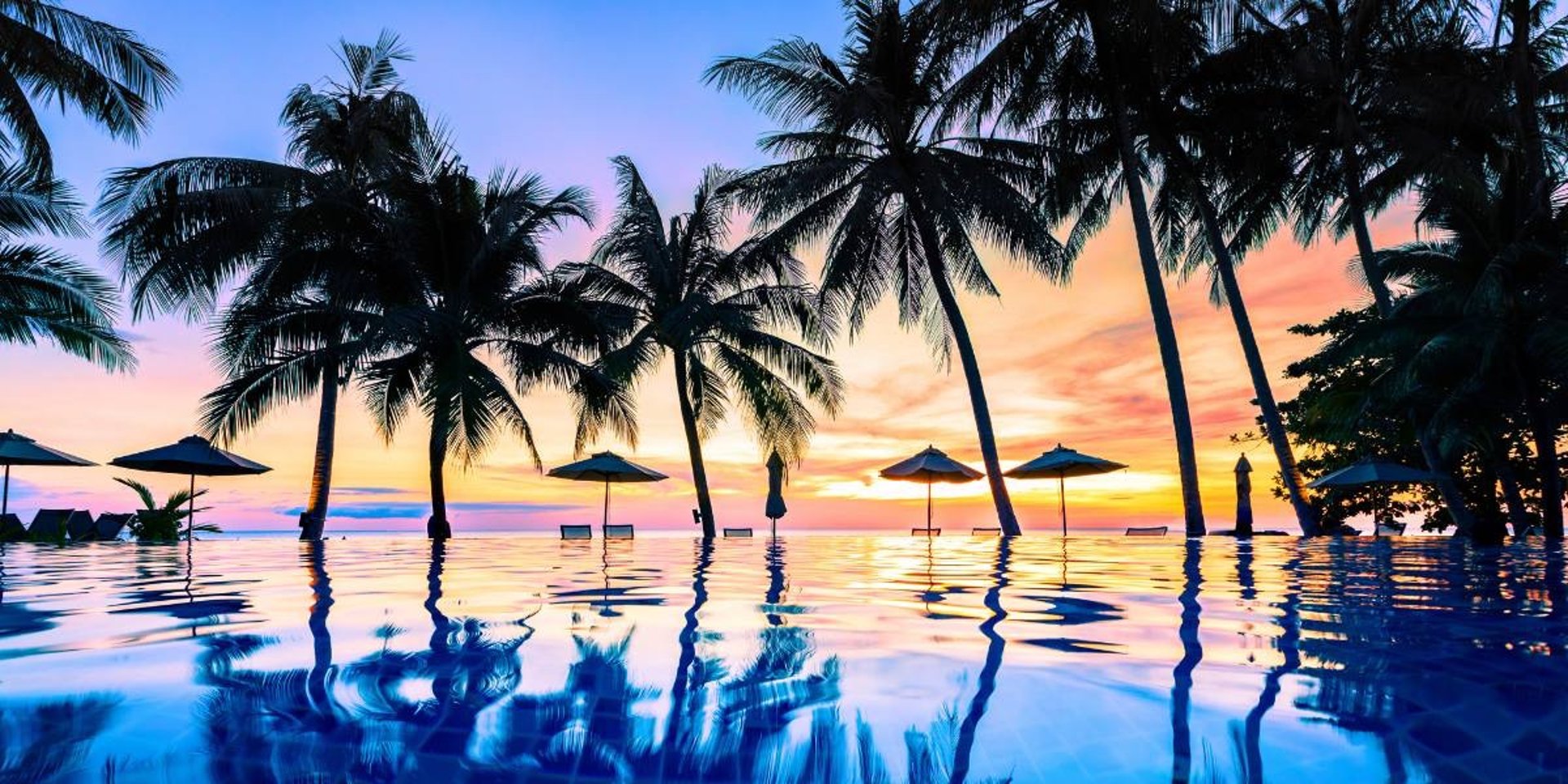
Bali is Indonesia’s most famous island — lush, artistic, deeply spiritual, and full of options for retirees. Temples sit among rice terraces, the air carries the scent of incense, roosters crow at dawn, and evenings soften with golden sunsets along the coast. The island combines affordable living with a lively international community and a strong wellness culture.
Retirees choose Bali for nature, culture, yoga, community, and a warm, tropical lifestyle that feels both energizing and restful. The island’s regions each offer their own personality, and choosing the right one shapes your retirement experience.
Ubud (Central Bali — Arts, Calm, Wellness)
Ubud is Bali’s cultural and spiritual heart — a place of rice terraces, yoga studios, craft markets, plant-filled cafés, and slow mornings. Many retirees come for the calm atmosphere, cooler breezes, and the creative community. Life here is more village-like than coastal Bali, with narrow roads, quiet evenings, and jungle views everywhere.
Why retirees love Ubud:
Peaceful, green environment
Strong wellness and yoga scene
Excellent cafés and healthy restaurants
Creative community — art, dance, craft workshops
Sanur (East Coast — Relaxed, Walkable, Expat-Friendly)
Sanur is Bali’s most retiree-friendly beach town. It’s quiet, flat, walkable, and has a long paved beachfront path that makes daily strolls a joy. The vibe is gentle and mature — not a party scene, but a place where mornings begin with sunrise walks and evenings end with sea breezes.
Why retirees love Sanur:
Calm waters and walkable beachfront
Safe, easy, village feel
Large long-stay expat community
Good cafés, groceries, and medical clinics nearby
Seminyak (Southwest Coast — Chic, Social, Amenities)
Seminyak blends beach living with international comforts — shopping, cafés, bakeries, boutique hotels, spas, and vibrant dining. It has energy, but not the party-like atmosphere of Canggu or Kuta. Many retirees who enjoy lively but polished coastal living choose Seminyak as their base.
Why retirees love Seminyak:
Easy access to shops and restaurants
Walkable areas near the beach
Upscale vibe without being chaotic
Great for active retirees who enjoy dining and social life
Canggu (Southwest Coast — Trendy, Youthful, Surf Culture)
Canggu is Bali’s trendiest coastal town — a mix of surf beaches, cafés, juice bars, yoga studios, coworking spaces, and a younger international crowd. While busy in parts, Canggu also has quiet side streets with rice-field views. Retirees who prefer a lively, energetic scene may enjoy the area, though it’s more fast-paced than Sanur or Ubud.
Why retirees like (or skip) Canggu:
Vibrant social life and modern amenities
Active lifestyle — surfing, yoga, walking paths
Younger demographic and more nightlife
Traffic can be heavy in peak hours
Bali Cost of Living & Housing
1-BR apartment: $350–$650 USD
2-BR villa: $600–$1,200 USD
Private pool villa: $900–$1,800 USD
Many retirees choose villas with gardens or small private pools. Household help is affordable, and local produce markets keep daily expenses low.
Lombok
Overview & First Impressions
Lombok is Bali’s quieter sister island — less developed, more spacious, and full of natural beauty. Wide beaches, turquoise water, small villages, and views of Mount Rinjani define the landscape. Retirees who find Bali a bit too busy are often drawn to Lombok’s peacefulness.
The island feels more traditional and slower-paced, with a smaller expat community, excellent diving, and a cost of living even more affordable than Bali.
Weather & Climate
Warm and tropical year-round, with slightly less rainfall than Bali. Evenings can be wonderfully breezy along the coast.
Cost of Living & Housing
1-BR house: $250–$450 USD
2-BR villa: $400–$700 USD
Beach-area villas: $600–$1,000 USD
Best Areas for Retirees
Senggigi: Coastal views, quiet expat-friendly beaches.
Kuta Lombok: Surf beaches, newer cafés, scenic hills.
Tetebatu: Cooler, green countryside near Mount Rinjani.
Lifestyle & Food
Life in Lombok is simple and scenic. Days often revolve around beach walks, swimming, reading, and exploring small villages and coastal viewpoints. The food scene includes fresh seafood grills, local markets, and small cafés.
Healthcare in Lombok
Siloam Hospitals Lombok
RSUD West Nusa Tenggara Hospital
For more advanced medical procedures, most retirees travel to Bali.
Yogyakarta & Central Java
Overview & First Impressions
Yogyakarta — often called “Jogja” — is the cultural heart of Java and one of Indonesia’s most atmospheric cities. Known for its arts scene, traditional batik workshops, student-friendly energy, and proximity to two UNESCO World Heritage Sites (Borobudur and Prambanan), Yogyakarta offers retirees a deeply cultural lifestyle at an exceptionally low cost.
Life here is gentle and intellectual. Street food stalls, craft markets, puppet theaters, and university cafés give the city a creative, youthful atmosphere. Retirees who want a slower, more traditional Indonesian experience — without the crowds of Bali — often fall in love with Jogja.
Weather & Climate
Warm and tropical year-round, with a rainy season from November to March. Evenings are cooler in the outskirts and near the hills.
Cost of Living & Housing
1-BR apartment: $200–$350 USD
2-BR house: $300–$500 USD
Modern villa or countryside home: $500–$800 USD
Best Areas for Retirees
Prawirotaman: Cafés, guesthouses, art scene, walkable streets.
Kotabaru: Colonial charm and leafy neighborhoods.
North Jogja: Quieter areas near rice fields, popular with long-stay expats.
Lifestyle & Food
Yogyakarta offers a rich, traditional lifestyle. Retirees enjoy gamelan music, art exhibitions, photography, cooking classes, and day trips to temples. The food scene ranges from famous “gudeg” (a sweet jackfruit dish) to modern cafés and restaurants serving international cuisine.
Healthcare in Yogyakarta
Hermina Hospital Yogyakarta
RSUP Dr. Sardjito Hospital
For major procedures, many retirees travel to Jakarta or Bali.
Pros of Yogyakarta
Extremely affordable
Rich cultural lifestyle
Creative, friendly atmosphere
Access to famous temples
Cons of Yogyakarta
Fewer English speakers than Bali/Jakarta
Healthcare options more limited
No seaside areas
Jakarta
Overview & First Impressions
Jakarta is Indonesia’s economic and cultural capital — a massive, energetic metropolis with world-class hospitals, international restaurants, modern malls, and the country’s best infrastructure. It’s fast, busy, and urban, but also surprisingly livable in the right neighborhood.
Retirees who choose Jakarta usually value convenience, modern healthcare, and access to flights, shopping, and services. Despite its size, Jakarta has pockets that feel calm, green, and residential.
Weather & Climate
Hot and humid year-round. Rainy season peaks in December–March. Coastal breezes help in the northern districts.
Cost of Living & Housing
1-BR condo: $450–$700 USD
2-BR condo: $700–$1,200 USD
Luxury condo: $1,200–$2,500 USD
Jakarta has Indonesia’s best apartment options, including modern towers with pools, gyms, and security.
Best Neighborhoods for Retirees
Kemang: Expat-friendly, leafy, cafés everywhere.
Pondok Indah: Quiet, upscale homes and malls.
Menteng: Historic district with embassies and elegant homes.
SCBD (Sudirman): Modern, walkable, central.
Local Transportation
Grab & Gojek: Affordable and fast.
MRT: Clean and reliable in central areas.
TransJakarta BRT: Covers many routes.
Lifestyle & Food
Jakarta’s dining scene is exceptional — from street food to luxury dining. Retirees enjoy parks, art galleries, shopping malls, cultural events, and easy access to international airports. Despite the city’s size, neighborhoods have their own rhythms and communities.
Healthcare in Jakarta
Jakarta has Indonesia’s best medical facilities.
Siloam Hospitals Lippo Village
RS Pondok Indah
Mayapada Hospital Jakarta Selatan
Pros of Jakarta
Best hospitals in Indonesia
Modern condos and services
Excellent dining and shopping
Strong expat networks
Cons of Jakarta
Heavy traffic in many areas
Higher living costs than in other Indonesian cities
Not ideal for nature lovers
Bandung
Overview & First Impressions
Bandung is a cool-climate highland city surrounded by mountains, tea plantations, and pine forests — a refreshing contrast to Indonesia’s tropical lowlands. Known for its universities, art scene, and creative energy, Bandung offers retirees an appealing mix of culture, cooler temperatures, and city conveniences.
The air is fresher, the landscape greener, and the pace slower than Jakarta, yet the city still offers good cafés, shopping, and transport connections.
Weather & Climate
Cooler than most Indonesian cities — temperatures range from mild to comfortably warm. Evenings can be cool enough for light jackets.
Cost of Living & Housing
1-BR apartment: $220–$400 USD
2-BR house: $350–$600 USD
Modern condo: $500–$800 USD
Best Neighborhoods for Retirees
Dago: Leafy, artistic cafés, cooler climate.
Lembang: Scenic, countryside charm, mountain views.
Sukajadi: Convenient, central, close to shopping.
Lifestyle & Food
Bandung has a lively café culture, art galleries, weekend markets, hiking trails, and access to beautiful tea plantations. The lifestyle here feels grounded, creative, and refreshingly cool.
Healthcare in Bandung
Hermina Hospital Pasteur
Santo Borromeus Hospital
For major procedures, Jakarta is a short flight or 3-hour train ride away.
Pros of Bandung
Cool weather and mountain scenery
Creative, youthful atmosphere
Affordable cost of living
Cons of Bandung
Traffic in central areas
Healthcare not as strong as in Jakarta
No coastal areas
Visas, Healthcare & Long-Term Living in Indonesia
Retirement Visa Options
Indonesia’s Retirement KITAS is the main long-stay visa for retirees aged 55 and above. It allows one-year residency, renewable annually, with the option to convert to a longer-term stay permit.
Typical requirements include:
Age 55+
Proof of income or pension funds
Health insurance
Rental contract in Indonesia
Use of a registered visa agent
Rules can change periodically, so retirees should verify current requirements through an agent or Indonesian immigration.
Healthcare Costs
Doctor visit: $10–$25 USD
Specialist: $20–$40 USD
Routine tests: $10–$40 USD
MRI or imaging: $50–$150 USD
Bali and Jakarta have the country’s best hospitals. Many retirees combine local care with international health insurance for major procedures abroad (often Singapore, Thailand, or Malaysia).
Where Should You Live?
Your ideal Indonesian retirement base depends on lifestyle, pace, and healthcare needs.
Bali: Most popular for retirees — scenic, cultural, social, with good clinics.
Ubud: Lush, spiritual, creative.
Sanur: Walkable, calm, retiree-friendly beachfront.
Seminyak: Upscale, dining-focused, vibrant.
Canggu: Trendy, youthful, energetic.
Lombok: Quieter beaches and rural charm.
Yogyakarta: Cultural, affordable, artistic.
Jakarta: Best hospitals and conveniences.
Bandung: Cool climate and green highlands.
Conclusion
Indonesia offers an appealing retirement lifestyle: warm hospitality, rich culture, affordable living, beautiful landscapes, and a wide range of city, coastal, and countryside options. Whether you’re drawn to Bali’s lush villages, Lombok’s peaceful beaches, Yogyakarta’s creative calm, Jakarta’s modern conveniences, or Bandung’s cool highlands, Indonesia provides a lifestyle that can be both comfortable and deeply enriching.
For many retirees, Indonesia becomes more than a place to settle — it becomes a place to thrive, explore, and enjoy a slower, more meaningful daily rhythm in one of the world’s most welcoming countries.
Sources for This Article: Indonesia
Ministry of Foreign Affairs of the Republic of Indonesia — https://www.kemlu.go.id/en
Directorate General of Immigration, Indonesia — https://www.imigrasi.go.id/en/
Ministry of Health, Indonesia — https://www.kemkes.go.id/
BPS – Statistics Indonesia (Official Statistics) — https://www.bps.go.id/
Wonderful Indonesia – Official Tourism Website — https://www.indonesia.travel/gb/en/home
OECD – Indonesia Country Data — https://www.oecd.org/indonesia/
World Bank – Indonesia Data — https://data.worldbank.org/country/indonesia
Sehat Negeriku (Indonesian Ministry of Health Public Information Portal) — https://www.sehatnegeriku.kemkes.go.id/