
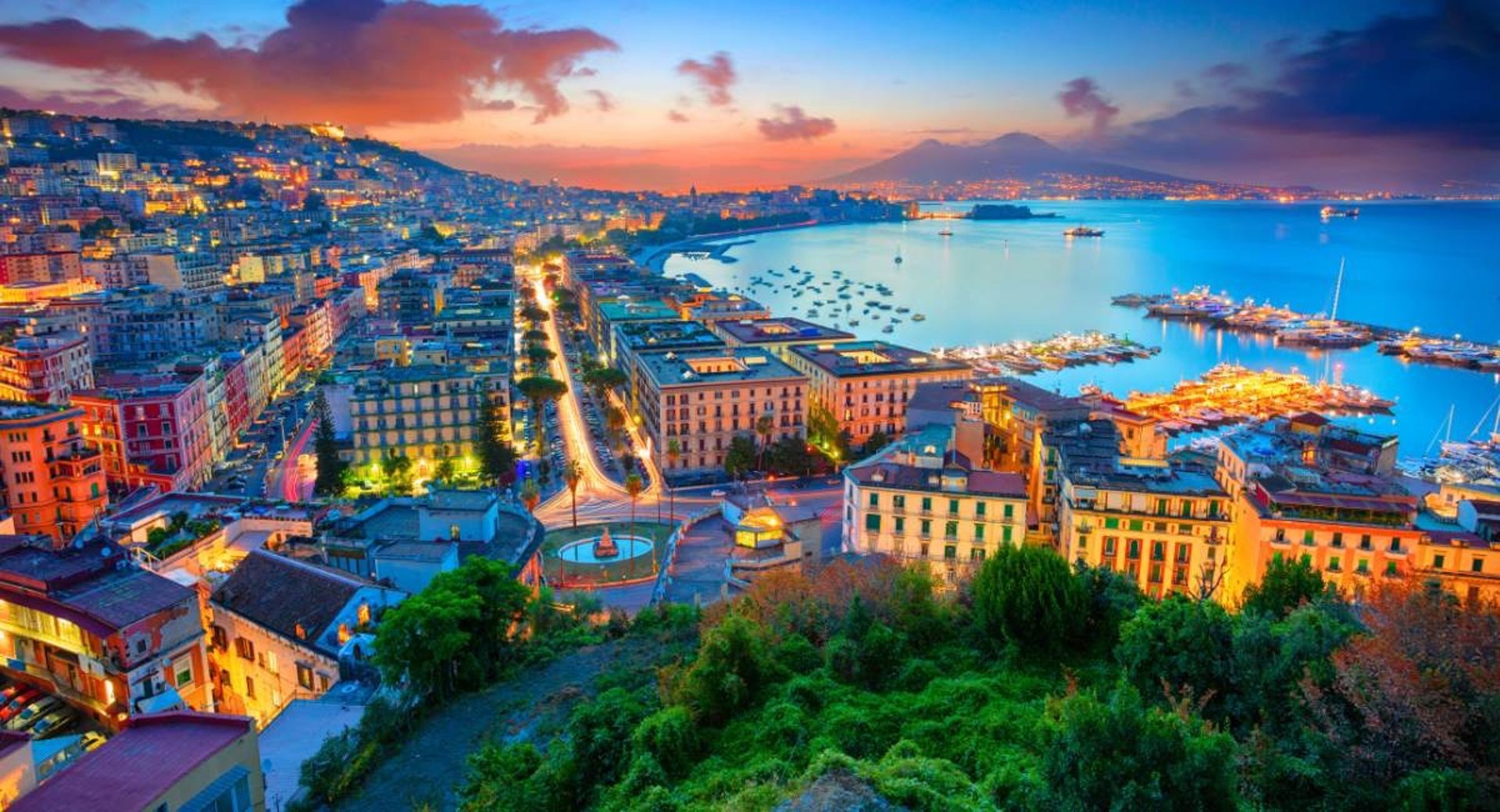
Retire in Italy: Best Cities, Costs, Visas & Lifestyle Guide
Italy greets retirees with a sense of beauty that unfolds slowly, day by day—morning light on a quiet piazza, the aroma of espresso drifting from a café doorway, a simple meal shared in the warm glow of evening. Life here is shaped by rhythm and ritual: markets, strolls, long lunches, and conversations that feel unhurried. For expats and retirees, Italy offers not just scenery, but a gentler pace of living—one that encourages savoring rather than rushing, noticing rather than hurrying past.
From the intellectual warmth of Bologna to the sunlit calm of Lecce, from Genoa’s maritime history to the hilltop charms of Perugia, the rugged beauty of Sicily, the natural serenity of Abruzzo, and the cultural depths of Florence, Turin, and Rome, Italy offers extraordinary variety. Each destination carries its own character, yet all share a devotion to community, tradition, and a full, expressive way of life.
What Makes Italy Appealing to Expats and Retirees {#appeal}
Cost of Living
Italy offers a wide range of living costs depending on region, yet it can be more affordable than many Western countries—especially for retirees who choose southern or smaller-city life. Southern regions like Puglia, Sicily, and Abruzzo often provide exceptional value, while northern cities such as Turin and Bologna offer high quality of life at moderate prices.
Lower daily costs compared to the U.S., Canada, and much of Northern Europe
Affordable public transit and healthcare
Very reasonable fresh food and local dining
Cultural Atmosphere & Everyday Life
Culture is woven into daily life in Italy. Even small routines—shopping at the market, walking to the café, greeting neighbors—carry a sense of connection. Festivals, local traditions, architecture, and a people-centered pace make it easy to participate rather than simply observe.
Warm social culture
Vibrant markets, cafés, traditions, and festivals
Deep artistic and historical heritage
Safety
Italy is widely considered safe, with low violent crime and a strong community presence in public spaces. While petty theft can occur in tourist-heavy areas, day-to-day life in most neighborhoods feels comfortable and welcoming.
Low violent crime rates
Strong community presence in streets and piazzas
Safe, walkable city centers in many destinations
Healthcare Quality
Italy’s healthcare system is among Europe’s strongest, supported by well-trained specialists, modern facilities, and strong outcomes. Major hospitals are located in Rome, Milan, Turin, Bologna, Florence, and Bari, while many regional medical centers also provide excellent care.
Rome: Policlinico Umberto I, Gemelli Hospital
Milan: Ospedale Niguarda, San Raffaele Hospital
Turin: Città della Salute (Molinette)
Bologna: Sant’Orsola-Malpighi
Florence: Careggi University Hospital
Bari: Policlinico di Bari
Climate
Italy offers multiple climate zones, making it easy to match your retirement lifestyle to your preferred weather.
Warm Mediterranean climate in the south
Four-season climate in central Italy
Cooler Alpine-influenced climate in the north
Bologna
Overview & First Impressions
Bologna feels warm the moment you arrive—its endless porticoes wrapping the city in a soft architectural embrace. Known for the world’s oldest university, it blends intellectual vibrancy with everyday ease. Retirees often love that Bologna is cultured without being overwhelming, lively without being chaotic, and authentic without being inaccessible.
Weather & Climate
Bologna has four distinct seasons with warm summers and cool, misty winters. Spring and autumn are especially pleasant.
Summer: 85–95°F (29–35°C)
Winter: 30–45°F (0–7°C)
Best seasons: April–June and September–October
Cost of Living & Housing
Bologna is typically more affordable than Milan and often better value than Florence, while still offering strong infrastructure.
1-bedroom in city center: €900–€1,300/month
1-bedroom outside center: €650–€900/month
Affordable groceries and excellent trattoria dining
Best Neighborhoods for Retirees
Santo Stefano: Historic, elegant, peaceful
Murri: Leafy, residential, close to parks
San Mamolo: Quiet hillside living near the center
Bolognina: Diverse, affordable, excellent transport
Lifestyle, Culture & Food
Bologna is one of Italy’s great food cities—home of ragù, tortellini, and mortadella—paired with festivals, film, music, and academic life that keeps the city vibrant year-round.
Healthcare in Bologna
Policlinico Sant’Orsola-Malpighi
Ospedale Maggiore
Private clinics with shorter wait times
Best for: retirees who want walkability, culture, and great transport connections.
Lecce (and the Puglia Region, Including Bari) {#lecce}
Overview & First Impressions
Lecce is often called the “Florence of the South,” yet it feels more relaxed—sunlit, open, and deeply local. Honey-colored baroque architecture and a slower daily rhythm make it appealing for retirees seeking warmth, affordability, and community.
Puglia overall offers whitewashed towns, olive groves, and coastline. Meanwhile, nearby Bari adds major hospitals and transportation links.
Weather & Climate
Summer: 85–100°F (29–38°C)
Winter: 45–55°F (7–13°C)
Long outdoor seasons and abundant sunshine
Cost of Living & Housing
1-bedroom in center: €550–€750/month
Outside center: €400–€600/month
Excellent value for fresh food, seafood, and dining
Best Areas for Retirees
Centro Storico: Walkable, stunning architecture
San Lazzaro: Quiet, green, well-connected
Rudiae: Affordable, practical
Nearby coastal options: Otranto, Gallipoli, Nardò
Healthcare in Lecce and Bari
Ospedale Vito Fazzi (Lecce)
Perrino Hospital (Brindisi)
Policlinico di Bari
Mater Dei (Bari)
Best for: retirees who want sunshine, coastal access, and excellent value.
Genoa (Genova)
Overview & First Impressions
Genoa is dramatic and atmospheric—pastel buildings rising from the sea, steep alleys, and a proud maritime history. It’s authentic, sometimes a bit gritty, but richly characterful. Plus, the Ligurian coastline offers easy day trips by train.
Weather & Climate
Summer: 80–88°F (27–31°C)
Winter: 45–55°F (7–13°C)
Mild Mediterranean conditions
Cost of Living & Housing
1-bedroom in center: €650–€900/month
Outside center: €500–€700/month
Best Neighborhoods for Retirees
Nervi: Seaside promenades and gardens
Albaro: Green, elegant, upscale
Castelletto: Panoramic views
Pegli: Relaxed coastal community
Healthcare in Genoa
San Martino Hospital
Galliera Hospital
Villa Scassi
Best for: retirees who want a coastal city with history, culture, and good value.
Perugia {#perugia}
Overview & First Impressions
Perugia rises above the Umbrian countryside in medieval stone and terracotta rooftops. It’s peaceful without feeling isolated, and culturally rich without being hectic. Many retirees love its manageable scale, scenery, and slower pace.
Weather & Climate
Summer: 80–90°F (27–32°C)
Winter: 35–45°F (2–7°C)
Pleasant spring and autumn shoulder seasons
Cost of Living & Housing
1-bedroom in center: €550–€750/month
Outside center: €400–€600/month
Best Neighborhoods for Retirees
Centro Storico: Medieval charm, cafés, views
Elce: Central, practical services
Monteluce: Green, scenic
Pian di Massiano: Flat, modern, convenient
Healthcare in Perugia
Ospedale Santa Maria della Misericordia
Select private clinics for specialist care
Best for: retirees who want central Italy charm and a calm, cultured lifestyle.
Sicily
Overview & First Impressions
Sicily feels like a world apart—sunlit, storied, and deeply expressive. It offers ancient ruins, beaches, baroque towns, and a pace of life shaped by tradition and community. Retirees often choose Sicily for warmth, affordability, and authenticity.
Weather & Climate
Summer: 85–100°F (29–38°C)
Winter: 50–60°F (10–16°C)
Long, bright shoulder seasons
Cost of Living & Housing
1-bedroom in Palermo/Catania: €450–€650/month
Smaller towns: €300–€500/month
Coastal areas: €400–€700/month
Best Areas for Retirees
Siracusa (Ortigia): Historic, beautiful, coastal
Cefalù: Beachfront charm
Taormina: Scenic, international feel
Ragusa & Modica: Quiet baroque elegance
Palermo: Vibrant, cultural, affordable
Healthcare in Sicily
Ospedale Civico di Palermo
Policlinico di Catania
Cannizzaro Hospital (Catania)
Umberto I Hospital (Siracusa)
Best for: retirees who want warmth, coastal living, and strong value.
Abruzzo {#abruzzo}
Overview & First Impressions
Abruzzo is one of Italy’s quiet treasures—mountains, forests, lakes, and Adriatic beaches. It feels traditional, nature-rich, and refreshingly untouristed in many areas. It’s ideal for retirees who want peace, value, and authentic community life.
Cost of Living & Housing
Coastal towns: €350–€550/month
Inland villages: €250–€450/month
Day-to-day expenses are very budget-friendly
Best Areas for Retirees
Pescara: Modern coastal city
Chieti: Historic hill town with services
Vasto: Beautiful coastline and charming center
Penne & Atri: Quiet inland towns
Healthcare in Abruzzo
Ospedale di Pescara
SS. Annunziata Hospital (Chieti)
San Salvatore (L’Aquila)
Best for: retirees who want nature, low costs, and a quieter lifestyle.
Turin (Torino) and the Piedmont Region {#turin}
Overview & First Impressions
Turin is elegant and understated—grand boulevards, arcades, baroque architecture, and the Alps rising in the distance. It feels international yet calm, stylish yet livable, and is often less crowded than Italy’s most famous cities.
Cost of Living & Housing
1-bedroom in center: €700–€1,000/month
Outside center: €500–€750/month
Best Neighborhoods for Retirees
Crocetta: Quiet and refined
Borgo Po: Leafy and riverside
San Salvario (quieter streets): Vibrant but livable
Centro: Historic and walkable
Healthcare in Turin
Ospedale Molinette (Città della Salute)
Ospedale Mauriziano
Humanitas Gradenigo (private)
Best for: retirees who want excellent healthcare, refined city life, and access to wine country and mountains.
Florence (Firenze)
Overview & First Impressions
Florence is a masterpiece—Renaissance art, warm stone streets, and the gentle flow of the Arno. It’s walkable, inspiring, and culturally dense, although more tourist-heavy than many other destinations.
Cost of Living & Housing
1-bedroom in center: €1,000–€1,500/month
Outside center: €750–€1,000/month
Best Neighborhoods for Retirees
Oltrarno: Authentic, artistic, local
San Frediano / Santo Spirito: Creative and lively
Campo di Marte: Green and calm
Gavinana: Residential and peaceful
Healthcare in Florence
Careggi University Hospital
Santa Maria Nuova
Private clinics with international services
Best for: retirees who want an unmatched culture and Tuscany on their doorstep.
Rome (Roma)
Overview & First Impressions
Rome is vast, layered, and endlessly fascinating. Yet what many retirees love most is neighborhood life: markets, familiar cafés, and the feeling that daily rituals still matter. It offers culture, services, and healthcare options on a top tier—at the cost of crowds and traffic in some areas.
Cost of Living & Housing
1-bedroom in center: €1,000–€1,600/month
Outside center: €700–€1,000/month
Best Neighborhoods for Retirees
Prati: Elegant, safe, strong services
Monti: Central and village-like
Trastevere (quiet pockets): Atmospheric and charming
Nomentana / Trieste: Green, relaxed, good value
Healthcare in Rome
Policlinico Umberto I
San Camillo-Forlanini
Gemelli Hospital
Private facilities for shorter waits
Best for: retirees who want a cosmopolitan capital with deep history and excellent medical care.
Residency, Permanent Residency & Citizenship {#residency}
Elective Residency Visa (Residenza Elettiva)
Italy’s most common visa pathway for retirees is the Elective Residency Visa (ERV). It’s designed for people with stable passive income (pensions, investments, rental income). Working in Italy is not permitted under this visa.
Typical requirements:
Income requirement often cited around €31,000+ per year for a single applicant (varies by consulate)
Proof of passive income (not salary)
Proof of housing (rental contract or ownership)
Private health insurance coverage (commonly at least €30,000)
Supporting documents (background checks, financial statements, etc.)
Once in Italy, you apply for a permesso di soggiorno (residence permit), typically valid for one year and renewable.
Permanent Residency
After 5 years of continuous legal residency, many foreigners can apply for an EU long-term residence permit (“permanent residency”), typically requiring stable income, adequate housing, and A2-level Italian.
Citizenship
By residency: typically after 10 years of legal residence
Language requirement: commonly B1-level Italian
Italy allows dual citizenship in many cases
Alternate pathways can include ancestry (jure sanguinis) or marriage (eligibility depends on circumstances)
Access to Italy’s National Healthcare System
Italy’s national healthcare system, the Servizio Sanitario Nazionale (SSN), is widely respected for quality and affordability. Access depends on residency status and visa type.
Can retirees join the SSN?
Yes, foreign residents with valid permits can typically access the SSN. Retirees entering on ERV usually need private insurance initially, then may enroll through the local health authority (ASL) after receiving their residency permit and tax code.
What SSN covers
Primary care doctors (medici di base)
Specialists, diagnostics, and imaging
Emergency care and hospitalization
Rehabilitation services
Subsidized prescriptions (varies by category)
Co-pays are often modest and depend on service type and region.
Private healthcare in Italy
Many retirees choose a mix of public + private care: private clinics often mean shorter waits and more English-speaking options, especially in major cities.
Where Should You Live?
Choosing where to retire in Italy is about matching your ideal pace, climate, and access to services.
Choose Bologna for friendly neighborhoods, excellent cuisine, and high-speed train access.
Choose Lecce / Puglia for sunshine, coastal towns, and standout affordability (with Bari for major hospitals).
Choose Genoa for an affordable northern coastal city with character and easy seaside escapes.
Choose Perugia for calm hilltop living with a cultural heartbeat.
Choose Sicily for warmth, dramatic scenery, and an affordable island lifestyle.
Choose Abruzzo for nature, quiet communities, and some of Italy’s lowest costs.
Choose Turin for elegance, strong healthcare, and proximity to vineyards and the Alps.
Choose Florence for art, walkability, and Tuscany’s beauty (with higher costs and more tourism).
Choose Rome for big-city amenities, history, and top-tier healthcare (with crowds in central areas).
Conclusion {#conclusion}
Retiring in Italy isn’t only about choosing a location—it’s about choosing a way of living. Here, the day unfolds with gentler rhythm: conversations linger, meals stretch long into the afternoon, and the beauty of ordinary moments is given space to shine. Whether you settle beneath Bologna’s porticoes, in Lecce’s sunlit streets, along Genoa’s waterfront, in Perugia’s hilltop calm, or within the grand neighborhoods of Rome, you step into a culture that invites you to slow down and savor time.
Italy also offers practical strengths retirees value: a high-quality healthcare system, a range of living costs depending on region, and residency pathways built for long-stay living. Most of all, it offers belonging—community life, tradition, and daily rituals that make even simple days feel rich and grounded.
Sources for This Article: Italy
Italian Ministry of Foreign Affairs — https://www.esteri.it/en/
Italian Ministry of the Interior (Immigration & Residency) — https://www.interno.gov.it/
Italian Ministry of Health — https://www.salute.gov.it/portale/home.html
Italian Healthcare System Overview (Sanità24 / Il Sole 24 Ore) — https://www.sanita24.ilsole24ore.com/
ISTAT – Italian National Institute of Statistics — https://www.istat.it/en/
Eurostat — https://ec.europa.eu/eurostat
OECD – Italy Country Data — https://www.oecd.org/italy/
National Tourism Portal of Italy — https://www.italia.it/en
Expat Resources (Italy) — https://www.expatsinitaly.com/