
Retire in Malaysia: Best Cities, Costs, Visas, Healthcare & Lifestyle
Malaysia is one of those places that quietly gets under your skin. You arrive for a short visit and soon find yourself imagining a longer stay—or even retiring here altogether. Mornings begin with kopi at a corner café, afternoons drift by in air-conditioned comfort or shaded streets, and evenings come alive at food courts and night markets. Life feels manageable, comfortable, and unexpectedly easy.
For retirees and long-stay foreigners, Malaysia offers a rare combination: affordability, good infrastructure, English widely spoken, and healthcare good enough that people fly here specifically for treatment. Within one country, you can choose very different lifestyles—high-rise city living in Kuala Lumpur, heritage streets and seaside breezes in Penang, island calm in Langkawi, or a quiet, affordable inland city like Ipoh.
This guide explores Malaysia’s most popular places for retirees and long-term residents—Kuala Lumpur, Penang, Johor Bahru, Langkawi, Kota Kinabalu, and Ipoh—along with practical realities: cost of living, housing, healthcare, visas, and what everyday life actually feels like.
What Makes Malaysia Appealing
Cost of Living
Malaysia consistently ranks among the most affordable countries in Asia for retirees. While costs vary by city and lifestyle, many foreigners live comfortably on RM 5,500–9,300 ($1,200–2,000 USD) per month, often less outside Kuala Lumpur and Penang.
Typical everyday costs:
Local hawker meal: RM 8–15 ($1.70–3.20)
Mid-range restaurant meal: RM 20–45 ($4.30–9.60)
Grab ride across town: RM 8–15 ($1.70–3.20)
Mobile plan with generous data: RM 30–60 ($6–12)
Housekeeper (per hour): RM 20–25 ($4.30–5.30)
Housing is the biggest variable, but even newer condos compare very favorably with Western rents—often including pools, gyms, and security.
Culture & Daily Life
Malaysia is genuinely multicultural. Malay, Chinese, Indian, and indigenous cultures coexist naturally, shaping food, holidays, neighborhoods, and daily interactions. Mosques, temples, and churches often sit within the same district.
Daily life follows the climate: mornings for errands and walks, afternoons for rest or cafés, evenings for food and social life. It’s an easy rhythm to adapt to, especially for retirees.
Safety
Malaysia is generally safe, particularly in neighborhoods popular with foreigners. Violent crime is rare, and most expats feel comfortable walking locally, using transit, and going out in the evenings in active areas.
Healthcare
Healthcare is one of Malaysia’s greatest strengths. The private system is modern, efficient, and affordable. Doctors are often trained abroad, English is widely spoken, and wait times are short. Many expats pay out of pocket for routine care and still spend far less than they would in Western systems.
Climate
Malaysia is tropical—warm and humid year-round. There’s no winter, just variations in rainfall. If you enjoy sunshine and don’t mind humidity (or rely on air-conditioning), the climate feels predictable and manageable. Cooler escapes exist in highlands and coastal areas.
Kuala Lumpur
Overview
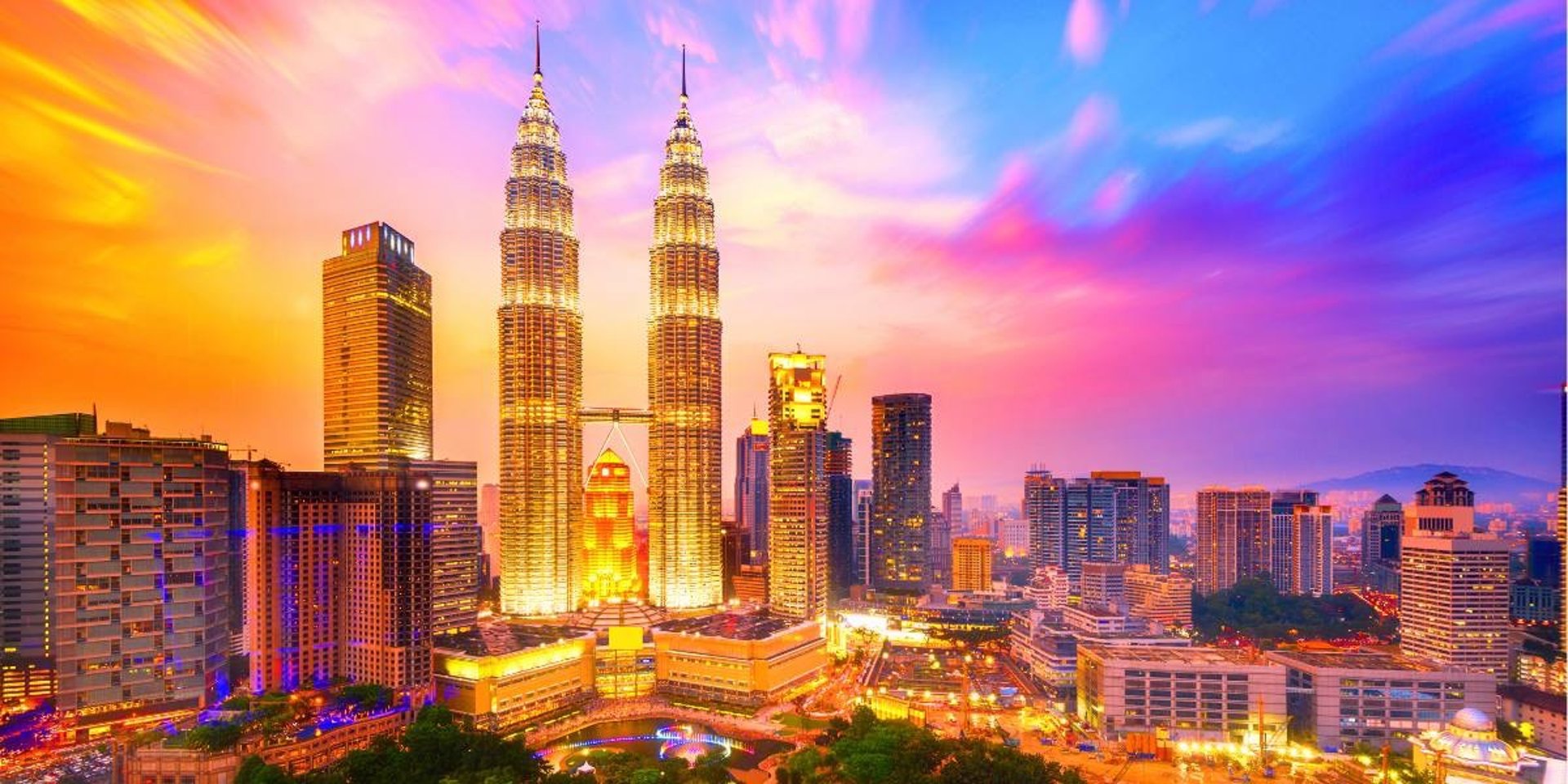
Kuala Lumpur (KL) is modern, functional, and surprisingly green. Skyscrapers and transit lines sit alongside leafy neighborhoods and local markets. For many foreigners, KL feels easy to live in: English signage, reliable banking, modern infrastructure, and excellent healthcare.
Cost of Living & Housing
1-bedroom condo (non-central): RM 1,600–2,300 ($340–500)
Mid-range 2-bedroom: RM 2,800–4,500 ($600–950)
Prime areas (KLCC): RM 5,000–10,000 ($1,050–2,100)
Popular Neighborhoods
Bangsar: Cafés, greenery, strong expat presence
Mont Kiara: International, condo-focused, very popular with long-stay foreigners
KLCC: Central, walkable, higher rents
TTDI: Residential, community-oriented
Damansara Heights: Upscale and quiet
Transportation
KL has one of Southeast Asia’s best urban rail systems. MRT, LRT, and monorail lines connect most key areas, and Grab is cheap and plentiful.
Healthcare
KL has the widest selection of top-tier hospitals in Malaysia, making it the healthcare hub of the country.
Best for: retirees who want excellent healthcare, modern living, and urban convenience.
Penang
Overview
Penang blends heritage and modern life beautifully. George Town’s historic streets coexist with seafront condos and cafés. The pace is slower than KL, but amenities remain excellent.
Cost of Living & Housing
Basic apartment: RM 1,200–1,800 ($260–380)
Mid-range condo: RM 2,200–3,500 ($460–740)
Seafront condo: RM 3,800–6,000 ($800–1,260)
Popular Areas
George Town: Walkable, cultural heart
Tanjung Tokong: Modern, expat-friendly, sea views
Tanjung Bungah: Quieter coastal living
Healthcare
Penang is Malaysia’s second-largest medical hub after KL, attracting patients from across the region.
Best for: retirees who want culture, food, and coastal living without big-city stress.
Johor Bahru
Overview
Johor Bahru (JB) sits directly across from Singapore. Its appeal lies in location: Singapore access with Malaysian living costs. Infrastructure is improving rapidly.
Cost of Living & Housing
Basic apartment: RM 1,000–1,400 ($210–300)
Mid-range condo: RM 1,800–2,800 ($380–590)
Luxury condo: RM 3,500–6,000 ($740–1,260)
Lifestyle
JB is practical and forward-looking. Many residents commute, work remotely, or enjoy cross-border flexibility.
Best for: retirees who want proximity to Singapore and excellent housing value.
Langkawi
Overview
Langkawi is relaxed island living—beaches, quiet roads, and open space. Life here is slower and more self-directed.
Cost of Living & Housing
Apartment: RM 1,000–1,500 ($210–320)
House or villa: RM 2,500–4,000 ($530–850)
Healthcare
Basic care is available locally; many residents travel to Penang or KL for major procedures.
Best for: retirees seeking peace, nature, and a resort-style lifestyle.
Kota Kinabalu
Overview
Kota Kinabalu (KK) offers access to islands, reefs, and mountains. It’s less developed than peninsular cities but rich in natural beauty.
Cost of Living & Housing
Apartment: RM 1,200–1,800 ($260–380)
Mid-range condo: RM 2,000–3,500 ($420–740)
Healthcare
Good private hospitals for a city of its size, with major cases sometimes referred to KL.
Best for: retirees who prioritize nature, diving, and outdoor living.
Ipoh
Overview
Ipoh is quiet, affordable, and surrounded by limestone hills. It appeals to retirees who want simplicity and low costs.
Cost of Living & Housing
Apartment: RM 800–1,200 ($170–260)
Condo: RM 1,500–2,500 ($320–530)
House: RM 1,800–3,500 ($380–740)
Healthcare
Solid private hospitals cover routine needs; some residents travel for specialized care.
Best for: retirees who value calm living and excellent affordability.
Visas, Healthcare & Long-Term Living
Malaysia My Second Home (MM2H)
MM2H is Malaysia’s primary long-term residency program. Requirements vary and can change, with Sarawak MM2H often more flexible than the federal program.
Common requirements include:
Proof of offshore income
Fixed deposit in a Malaysian bank
Private medical insurance
Background checks and fees
Healthcare Costs
Approximate private healthcare costs:
GP visit: RM 40–80 ($8–17)
Specialist visit: RM 80–180 ($17–38)
MRI: RM 700–1,200 ($150–255)
Healthcare remains one of Malaysia’s strongest advantages for retirees.
Where Should You Land?
Kuala Lumpur: Best healthcare, transit, and amenities
Penang: Culture, food, coastal charm
Johor Bahru: Singapore access at Malaysian prices
Langkawi: Quiet island living
Kota Kinabalu: Nature-focused lifestyle
Ipoh: Ultra-affordable, relaxed city life
Conclusion
Malaysia offers retirees something increasingly rare: comfort without excess cost. It’s friendly, affordable, safe, and easy to live in, with healthcare that removes one of retirement’s biggest worries. Whether you choose city towers, heritage streets, or island calm, Malaysia doesn’t just offer a place to live—it offers a sustainable, enjoyable rhythm of life.
Sources for This Article: Malaysia
Immigration Department of Malaysia
https://www.imi.gov.my/Ministry of Health Malaysia
https://www.moh.gov.my/Department of Statistics Malaysia (DOSM)
https://www.dosm.gov.my/Tourism Malaysia – Official Travel Portal
https://www.malaysia.travel/World Bank – Malaysia Country Overview
https://www.worldbank.org/en/country/malaysia