
Retire in Malta: Best Cities, Costs, Visas, Healthcare & Lifestyle
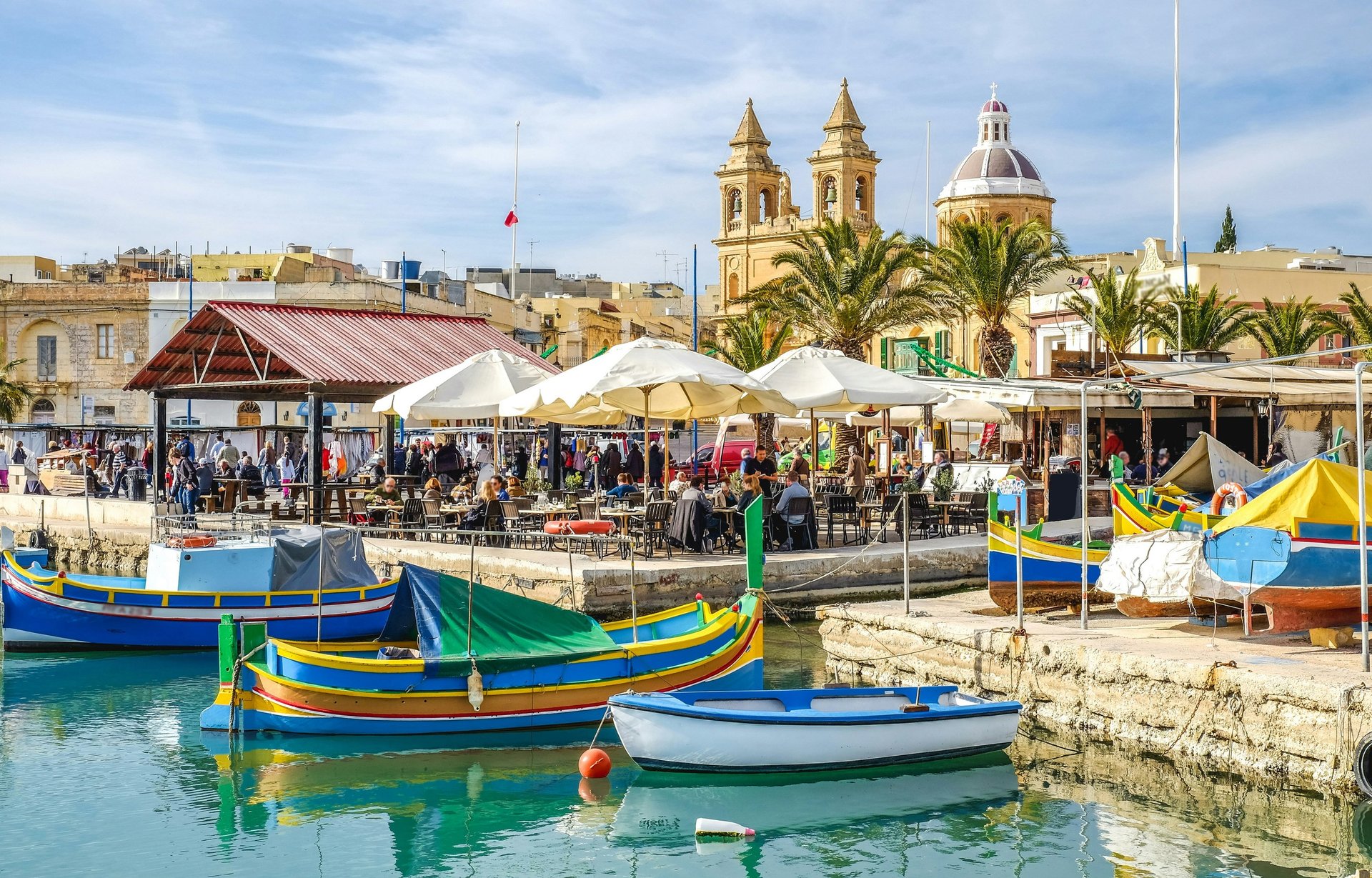
Malta is one of those rare places where ancient history, Mediterranean sunshine, and modern comfort come together in a way that feels both exotic and familiar. The country may be small, but it has a striking presence: honey-colored limestone cities rising above blue harbors, quiet fishing villages, hilltop citadels, Baroque churches, and warm evenings scented with sea air. Life here unfolds at a gentle Mediterranean pace — relaxed, walkable, and deeply connected to the sea.
For retirees, Malta offers an appealing blend of safety, excellent healthcare, English-speaking convenience, and year-round sunshine. The island’s compact size makes daily life easy — everything you need is close by, and public transportation connects major towns efficiently. At the same time, Malta’s culture, food, and history give the country a richness far beyond its size.
In this guide, we explore Malta’s most appealing destinations for long-stay living — Valletta, Sliema, St. Julian’s, and Victoria on Gozo Island. We also cover practical considerations like cost of living, healthcare access, residency pathways, and how foreigners can pursue permanent residency or even a Maltese passport through long-term residence.
Table of Contents
What Makes Malta Appealing
Valletta
Sliema
St. Julian’s
Victoria (Gozo Island)
Residency, Permanent Residency & Citizenship
Healthcare in Malta
Where Should You Live?
Conclusion
What Makes Malta Appealing
Mediterranean Lifestyle
Malta’s lifestyle is a sunlit blend of outdoor living, seaside walks, café culture, and a long tradition of hospitality. Life feels peaceful and manageable — never rushed, never overwhelming. English is an official language, making communication effortless for most retirees.
Cost of Living
While Malta is not the cheapest country in Europe, daily expenses are reasonable, and healthcare costs are significantly lower than in the U.S. or Northern Europe. Eating out, fresh produce, public transit, and utilities are generally affordable.
Typical costs include:
Local meal: €10–€16 ($11–$17)
Café coffee: €1.50–€2.50 ($1.60–$2.70)
Public bus ride: €1.50–€2.00 ($1.60–$2.15)
Housekeeper: €8–€12 per hour ($8.65–$13)
Safety & Stability
Malta ranks among the safest countries in Europe. Neighborhoods are walkable, people know their neighbors, and crime rates are low — an important comfort for retirees.
Healthcare Quality
Malta has one of Europe’s strongest healthcare systems, with modern hospitals, English-speaking doctors, and both public and private care at reasonable prices. Long-term residents can access subsidized care similar to citizens.
Valletta
Overview & First Impressions
Valletta, Malta’s capital, is one of Europe’s smallest and most enchanting cities — a compact jewel of Baroque architecture, narrow stone streets, grand palaces, and sweeping harbor views. Built by the Knights of St. John, Valletta feels like a living museum while remaining a fully functioning modern city. Cafés, galleries, boutique hotels, and cultural events give it constant energy and depth.
Retirees who choose Valletta appreciate its walkability, dramatic scenery, and the feeling that every walk is visually rewarding. Historic landmarks, gardens, and waterfront promenades are all just minutes apart.
Climate
Warm, dry summers and mild winters, with a gentle sea breeze throughout the year.
Cost of Living & Housing
Valletta is one of Malta’s more premium locations, largely due to its historic character and harbor views.
One-bedroom apartment: €950–€1,500 ($1,025–$1,620)
Two-bedroom apartment: €1,500–€2,300 ($1,620–$2,485)
Renovated stone homes: prices vary widely
Lifestyle & Food
Life in Valletta includes historic cafés, wine bars, open-air festivals, live theater, and spectacular sunsets over Grand Harbour. The city offers cultural depth without sacrificing calm.
Healthcare Near Valletta
Major facilities include Mater Dei Hospital, Malta’s main public hospital, and the private St. James Hospital network.
Sliema
Overview & First Impressions
Sliema is one of Malta’s most comfortable and livable towns, known for its long seafront promenade, modern apartments, international community, and excellent shopping. It has a bright coastal atmosphere with cafés overlooking the sea and frequent ferry connections to Valletta.
Retirees who value convenience, social opportunities, and easy access to services often choose Sliema. Daily necessities such as supermarkets, pharmacies, and restaurants are all within walking distance.
Climate
Warm Mediterranean weather moderated by consistent sea breezes.
Cost of Living & Housing
One-bedroom apartment: €900–€1,500 ($970–$1,620)
Two-bedroom apartment: €1,400–€2,200 ($1,510–$2,375)
Sea-view units: higher
Lifestyle & Food
Life in Sliema centers on the waterfront, with walking paths, cafés, beach clubs, and ferry terminals shaping daily routines. It offers modern comfort with a relaxed seaside rhythm.
Healthcare in or Near Sliema
St. James Hospital operates a major facility in Sliema, and Mater Dei Hospital is approximately 10 to 15 minutes away.
St. Julian’s
Overview & First Impressions
St. Julian’s is Malta’s lively seaside hub, blending traditional fishing culture with modern restaurants, apartments, and hotels. While known for entertainment, it also features calmer areas such as Spinola Bay, one of the island’s most scenic waterfronts.
Retirees who enjoy dining out, walkability, and an active social scene often find St. Julian’s appealing. Quieter residential pockets make it possible to enjoy the area without constant nightlife.
Climate
Sunny Mediterranean weather with warm summers and very mild winters.
Cost of Living & Housing
One-bedroom apartment: €1,000–€1,600 ($1,080–$1,730)
Two-bedroom apartment: €1,500–€2,400 ($1,620–$2,590)
Luxury developments: significantly higher
Lifestyle & Food
Daily life includes seaside walks, international cuisine, outdoor dining, and an energetic but manageable atmosphere. It is well suited to retirees who value variety and convenience.
Healthcare in or Near St. Julian’s
St. James Hospital is nearby, with Mater Dei Hospital accessible by a short drive.
Victoria (Gozo Island)
Overview & First Impressions
Victoria, the main town on Gozo Island, is a peaceful and welcoming community centered around a hilltop citadel overlooking countryside and sea. Gozo is greener, quieter, and more traditional than Malta’s main island, making it especially attractive to retirees seeking tranquility.
Victoria offers village-style living with local shops, bakeries, cafés, and familiar faces. It combines slow living with access to essential services and healthcare.
Climate
Sunny, warm, and breezy, with a slightly more rural Mediterranean feel.
Cost of Living & Housing
Gozo is generally more affordable than Malta’s main urban centers.
One-bedroom apartment: €650–€1,000 ($700–$1,080)
Two-bedroom apartment: €900–€1,500 ($970–$1,620)
Farmhouses and stone homes: prices vary significantly
Lifestyle & Food
Life on Gozo features village markets, quiet cafés, scenic coastal walks, fishing villages, and a slower, more traditional rhythm. Many retirees describe it as timeless and restorative.
Healthcare in Gozo
Gozo General Hospital serves the island, supported by private clinics throughout Victoria.
Residency, Permanent Residency & Citizenship
Malta provides several legal pathways for foreigners seeking long-term residence, permanent status, or eventual citizenship. Its EU membership, stable governance, and strong healthcare system make it especially attractive for retirement.
Malta Permanent Residence Programme
This program grants permanent residency immediately, without a temporary phase. Requirements typically include a government contribution, rental or purchase of property, proof of assets, and health insurance. While it does not automatically lead to citizenship, it allows indefinite residence and healthcare access.
Ordinary Residence
This option suits retirees with reliable foreign income. It requires accommodation, proof of financial independence, and spending most of the year in Malta. It is one of the most commonly used retirement pathways.
Long-Term Residency
After five continuous years of legal residence, individuals may apply for long-term residency status, which provides stronger rights and may serve as a step toward citizenship.
Citizenship by Naturalization
Citizenship requires several years of residence, community ties, cultural integration, and demonstrated commitment to Malta. Citizenship grants a full EU passport.
Healthcare in Malta
Malta’s healthcare system is consistently ranked among Europe’s best, offering modern facilities, English-speaking professionals, and costs that are far lower than private healthcare in the United States.
Public Healthcare
Eligible residents may access the public healthcare system, which includes modern hospitals, low-cost services, strong emergency care, and efficient referrals. Mater Dei Hospital is the country’s main public facility.
Private Healthcare
Private care is widely used by expats due to shorter waiting times. Leading providers include St. James Hospital, DaVinci Health, and Gozo General Hospital. Many retirees either maintain private insurance or pay out of pocket due to affordable pricing.
Where Should You Live?
Valletta is best for retirees seeking culture, history, and harbor views in a walkable capital.
Sliema suits those who value convenience, promenades, modern housing, and an active expat scene.
St. Julian’s appeals to retirees who enjoy dining, social activity, and seaside living.
Victoria on Gozo Island is ideal for peaceful, scenic island life with village character.
Because Malta is compact, it is easy to explore the entire country regardless of where you settle.
Conclusion
Malta offers a remarkably rich retirement experience, combining warm weather, deep history, beautiful architecture, walkable cities, and safe, welcoming communities. With excellent healthcare, English as an official language, and accessible residency pathways, it continues to attract retirees from Europe, North America, and beyond.
Whether you choose Valletta’s cultural elegance, Sliema’s coastal convenience, St. Julian’s vibrant lifestyle, or Gozo’s peaceful rhythm, Malta provides a retirement that feels both effortless and deeply rewarding.
Sources
Ministry for Foreign and European Affairs and Trade (Malta)
https://foreignaffairs.gov.mt/en/Identity Malta Agency – Residency & Immigration
https://identitymalta.com/Ministry for Health, Malta
https://deputyprimeminister.gov.mt/en/Pages/health.aspxGovernment of Malta – Healthcare Services Overview
https://deputyprimeminister.gov.mt/en/health-promotion/Pages/healthcare-services.aspxNational Statistics Office Malta
https://nso.gov.mt/en/Pages/NSO-Home.aspxVisit Malta – Official Tourism Portal
https://www.visitmalta.com/en/Eurostat – European Union Statistics
https://ec.europa.eu/eurostatWorld Bank – Malta Country Data
https://data.worldbank.org/country/malta