
Retire in Mexico: Best Cities, Costs, Healthcare & Residency Guide
Mexico is a country that works its way into your senses — the warm light falling over colonial plazas, the scent of fresh tortillas drifting from neighborhood kitchens, the sound of ocean waves rolling onto Pacific sands, the colors of markets alive with fruit, flowers, and handmade crafts. For retirees, Mexico offers an enviable mix of culture, comfort, modern convenience, affordability, and hospitality. It’s no surprise that Mexico is consistently one of the most popular retirement destinations in the world.
The beauty of Mexico is its variety. You can choose a life shaped by beach breezes or mountain air, colonial charm or modern skyline, quiet lake towns or vibrant cosmopolitan energy. You can live in a walkable historic district, a beachfront condo, a tranquil village, or a polished suburb with cafés and medical clinics minutes away.
In this guide, we explore Mexico’s most appealing destinations for foreign retirees — San Miguel de Allende, Mérida, Oaxaca City, Puerto Vallarta, Playa del Carmen, Cabo San Lucas, Lake Chapala/Ajijic, and Mexico City. We’ll also cover residency paths, healthcare access, real estate rules for foreigners, and what your daily life might look like in this wonderfully varied country.
Note on currency: Amounts below are shown first in Mexican pesos (MX$), followed by the original USD amount in parentheses. Conversions use an approximate rate of 1 USD ≈ 17.60 MXN.
What Makes Mexico Appealing
Cost of Living
Mexico offers one of the best quality-to-cost ratios in the world for retirees. Daily life is affordable, fresh food is abundant, healthcare is excellent and reasonably priced, and housing options cover everything from modern condos to historic homes with courtyards and gardens.
Local meal: MX$70–MX$125 ($4–$7 USD)
Sit-down restaurant dinner: MX$175–MX$315 ($10–$18 USD)
Taxi or Uber ride: MX$55–MX$125 ($3–$7 USD)
Housekeeper: MX$70–MX$105 per hour ($4–$6 USD per hour)
Cultural Depth and Everyday Life
Mexico’s cultural richness is woven into daily life. Retirees discover that ordinary routines — buying fruit at the market, chatting with neighbors, walking through plazas at dusk — hold a kind of warmth and rhythm that feels grounding and joyful.
Excellent Healthcare
Mexico’s private healthcare system is modern, professional, and widely used by expats. Hospitals in major cities rival those in the United States at a fraction of the cost, and many doctors speak English. Residents can also join the public IMSS health system for comprehensive coverage.
Easy Residency Options
Mexico offers straightforward residency categories for retirees, including temporary and permanent residency based on income or assets. Many retirees qualify easily, and the ability to transition to permanent residency is a major draw.
San Miguel de Allende
Overview and First Impressions
San Miguel de Allende is one of the most beloved colonial cities in Mexico — a place of cobblestone streets, jewel-toned buildings, leafy courtyards, and a golden-pink church tower that glows in the afternoon light. It feels like a city designed for strolling, pausing, and savoring. Artists, writers, musicians, and retirees have long been drawn here for its beauty, gentleness, and sense of community.
The expat population is large and active, and it’s easy to make friends through language groups, art studios, volunteer projects, and cultural events. San Miguel blends creativity with comfort, offering excellent restaurants, galleries, theaters, and year-round festivals.
Climate
At an elevation of about 6,200 feet (1,900 meters), the climate is warm, dry, and pleasant, with sunny days, cool mornings, and low humidity.
Cost of Living and Housing
1-bedroom apartment: MX$10,550–MX$15,850 ($600–$900 USD)
2-bedroom home: MX$15,850–MX$28,150 ($900–$1,600 USD)
Colonial homes with courtyards: vary widely
Lifestyle and Food
Expect a lively arts scene, boutique cafés, rooftop restaurants, wine bars, markets, and centuries-old streets lined with bougainvillea. San Miguel is cosmopolitan but intimate — elegant without being pretentious.
Healthcare in San Miguel
Hospital MAC
Hospital H+ San Miguel
Clínica de la Salud
Mérida
Overview and First Impressions
Mérida, the heart of the Yucatán Peninsula, is a warm, historic, and deeply cultural city known for its safety and quality of life. Its colonial mansions, palm-lined plazas, weekly cultural events, and thriving café scene make it one of Mexico’s top destinations for retirees seeking atmosphere and affordability.
Mérida is also renowned for its safety — often ranked the safest city in Mexico — and its vibrant blend of Maya and Spanish heritage. Music, dance, and community celebrations fill the calendar year-round.
Climate
Mérida is warm to hot year-round, with coastal breezes about 30 minutes away. Retirees who like sunshine will feel right at home.
Cost of Living and Housing
1-bedroom apartment: MX$8,800–MX$15,850 ($500–$900 USD)
Restored colonial homes: MX$17,600–MX$31,700 ($1,000–$1,800 USD)
Modern condos: MX$15,850–MX$26,400 ($900–$1,500 USD)
Lifestyle and Food
Expect colorful Sundays on Paseo de Montejo, bustling markets, museums, concerts, and excellent Yucatecan cuisine, from cochinita pibil to sopa de lima. The city has an active expat community but remains authentically Mexican.
Healthcare in Mérida
Star Médica Mérida
Hospital Faro del Mayab
Centro Médico Pensiones
Oaxaca City
Overview and First Impressions
Oaxaca City is one of Mexico’s cultural treasures — known for its artistry, food traditions, markets, and deep indigenous heritage. Textiles, ceramics, chocolate shops, mezcalerías, and craft studios line the historic streets. For retirees, Oaxaca offers a rich cultural lifestyle at a gentle pace, surrounded by mountain views and warm community energy.
Mornings may begin with hot chocolate in a courtyard café and afternoons with slow market wanderings. Oaxaca is quiet but full of life, ideal for retirees who value culture, walkability, and authenticity.
Climate
Mild, dry, and spring-like for much of the year. Evenings are cool, and humidity is low.
Cost of Living and Housing
1-bedroom apartment: MX$7,900–MX$14,100 ($450–$800 USD)
2-bedroom home: MX$12,300–MX$21,100 ($700–$1,200 USD)
Colonial homes: vary by renovation and location
Lifestyle and Food
Oaxaca is a world-class food city famous for moles, tlayudas, artisanal cheeses, mezcal, and market-fresh ingredients. Festivals, craft classes, cooking schools, and music events fill the calendar.
Healthcare in Oaxaca
Hospital Ángeles Oaxaca
Hospital de Especialidades
Hospital Reforma
Puerto Vallarta
Overview and First Impressions
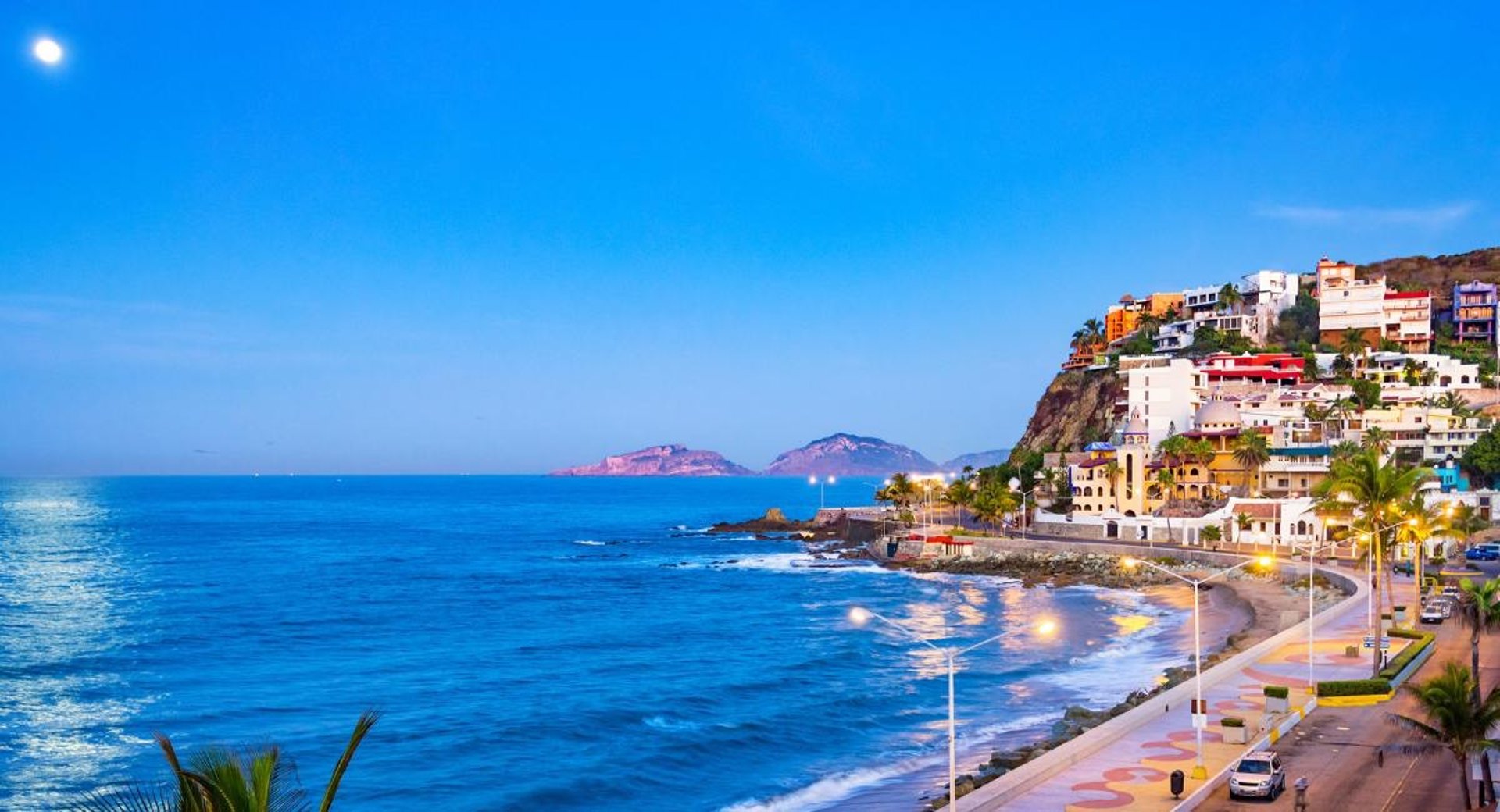
Puerto Vallarta is one of Mexico’s best-known coastal retirement destinations, offering ocean views, a strong expat community, year-round warm weather, and a lively beach culture. The city blends modern convenience with old-town charm, with cobblestone streets, hillside homes, galleries, cafés, and a beautiful malecón.
Retirees come for the sunshine, social life, and sense of familiarity. Activities range from whale watching and boat trips to dining, nightlife, and relaxed beach days.
Cost of Living and Housing
1-bedroom condo: MX$15,850–MX$26,400 ($900–$1,500 USD)
2-bedroom condo: MX$22,900–MX$44,000 ($1,300–$2,500 USD)
Oceanview rentals: higher depending on area
Lifestyle and Food
Expect laid-back beach living paired with cosmopolitan dining, seafood restaurants, rooftop bars, cafés, yoga studios, and an active arts scene.
Healthcare in Puerto Vallarta
Hospital Joya
Hospital CMQ
Hospital San Javier
Playa del Carmen
Overview and First Impressions
Playa del Carmen sits along the Caribbean coast of the Riviera Maya and has grown into a vibrant beach city filled with international residents, modern condos, boutique cafés, and a strong digital nomad and retiree mix. It is tropical, walkable, lively, and convenient.
Playa is more urban than smaller Riviera Maya towns but less hectic than Cancun, with easy access to beaches, cenotes, and ferry trips to Cozumel.
Cost of Living and Housing
1-bedroom condo: MX$13,200–MX$21,100 ($750–$1,200 USD)
2-bedroom condo: MX$19,350–MX$33,450 ($1,100–$1,900 USD)
Beachfront rentals: higher depending on amenities
Lifestyle and Food
Life revolves around beaches, cafés, international dining, yoga studios, and evening strolls along Quinta Avenida. Playa offers a social, active retirement lifestyle.
Healthcare in Playa del Carmen
Hospiten Riviera Maya
Playa International Clinic
Cabo San Lucas
Overview and First Impressions
Cabo San Lucas sits at the southern tip of the Baja Peninsula, where desert landscapes meet the sea. Dramatic rock formations, deep blue waters, and a relaxed resort-town atmosphere make it popular with retirees who enjoy warm, dry weather and ocean views.
Cabo offers modern amenities, international dining, strong healthcare, and an active social scene that includes golf, sailing, and beachfront walks. It is more upscale than many Mexican beach towns.
Cost of Living and Housing
1-bedroom condo: MX$17,600–MX$28,150 ($1,000–$1,600 USD)
2-bedroom condo: MX$24,650–MX$44,000 ($1,400–$2,500 USD)
Oceanfront homes: premium pricing
Lifestyle and Food
Cabo features beach clubs, marinas, sport fishing, golf courses, excellent restaurants, and desert hiking, all in a low-humidity climate.
Healthcare in Cabo
Hospiten Los Cabos
Hospital H+ Los Cabos
Lake Chapala and Ajijic
Overview and First Impressions
Lake Chapala, particularly the town of Ajijic, is Mexico’s most established expat retirement hub. Set between mountains and a broad lake, the area is known for its mild climate, welcoming community, and relaxed village lifestyle.
English is widely spoken, social groups are active, and daily life feels calm and secure. Many retirees say they arrived for the climate and stayed for the community.
Cost of Living and Housing
1-bedroom home: MX$10,550–MX$15,850 ($600–$900 USD)
2-bedroom home: MX$14,100–MX$24,650 ($800–$1,400 USD)
Homes with lake views: vary by location
Lifestyle and Food
Expect lakeside walks, cafés, local restaurants, art studios, live music, and farmers’ markets. Ajijic suits retirees who want cooler temperatures and a strong sense of belonging.
Healthcare in the Lake Chapala Region
Hospital San Antonio near Ajijic
Private clinics throughout the region
Guadalajara’s major hospitals within 45–60 minutes
Mexico City
Overview and First Impressions
Mexico City is one of the world’s great capitals — cosmopolitan, artistic, historic, and endlessly engaging. Retirees who choose the city typically want big-city energy paired with outstanding healthcare, dining, and cultural depth.
The city offers parks, museums, cafés, boulevards, markets, and refined residential neighborhoods, many of which are walkable and community-oriented.
Best Neighborhoods for Retirees
Condesa: leafy, walkable, café-filled
Roma Norte: relaxed, trendy, great dining
Polanco: upscale, safe, polished
Coyoacán: historic, artistic, peaceful
Cost of Living and Housing
1-bedroom apartment: MX$12,300–MX$21,100 ($700–$1,200 USD)
2-bedroom apartment: MX$19,350–MX$35,200 ($1,100–$2,000 USD)
Luxury rentals: higher depending on area
Healthcare in Mexico City
Hospital Ángeles Pedregal
ABC Medical Center (Observatorio and Santa Fe)
Hospital Médica Sur
Foreigners and Real Estate in Mexico
Foreigners can buy real estate in Mexico under two main systems.
Property Outside the Restricted Zone
Foreigners may buy property directly and outright in most of the country.
Property Within the Restricted Zone
The restricted zone includes land within 50 km of the coast or 100 km of international borders. Foreigners can still purchase property here through a bank trust known as a fideicomiso.
Under this system, buyers hold full ownership rights, may sell, rent, remodel, inherit, or mortgage the property, and the trust is renewable every 50 years. This structure is widely used in coastal areas such as Puerto Vallarta, Playa del Carmen, and Cabo.
Residency and Visa Options
Temporary Residency
The most common option for retirees is temporary residency, typically granted for one year and renewable for up to four years.
Requirements generally include proof of monthly income of around MX$52,800 ($3,000 USD) or proof of savings of approximately MX$880,000–MX$1,056,000 ($50,000–$60,000 USD).
After four years, temporary residents may convert to permanent residency without additional income requirements.
Permanent Residency
Some retirees qualify immediately due to higher income or special categories, but most transition after holding temporary residency.
Citizenship
Foreigners may apply for Mexican citizenship after five years of permanent residency and meeting Spanish language requirements.
Healthcare in Mexico
Mexico’s private healthcare system is modern and trusted by expats. Many physicians trained in the United States or Europe, and hospitals in major cities offer excellent facilities at comparatively low costs.
Residents may also join the public IMSS healthcare system, which provides low-cost access to clinics, hospitals, and most medical services.
Major private hospital networks include Hospital Ángeles, Hospital San Javier in Puerto Vallarta, ABC Medical Center in Mexico City, and Hospiten in Playa del Carmen and Cabo.
Where Should You Live?
Mexico offers retirement options for nearly every lifestyle.
San Miguel de Allende suits retirees seeking arts, culture, mild climate, and community.
Mérida appeals to those prioritizing safety, colonial beauty, and warm weather.
Oaxaca City is ideal for culture, food, and authenticity.
Puerto Vallarta attracts retirees who want Pacific beaches and a social expat scene.
Playa del Carmen works well for Caribbean beaches and walkability.
Cabo San Lucas offers a dry climate, marinas, and upscale amenities.
Lake Chapala and Ajijic are known for climate and strong community.
Mexico City fits retirees seeking world-class healthcare, dining, and culture.
Conclusion
Mexico offers an extraordinary range of retirement lifestyles, from colonial towns and cosmopolitan neighborhoods to beach cities, highland villages, and lakefront communities. With welcoming people, excellent healthcare, reasonable living costs, and accessible residency options, it remains one of the world’s top retirement destinations.
Whether you imagine life in a sunlit courtyard in San Miguel, a beachside condo in Puerto Vallarta, a cultural neighborhood in Mexico City, or a quiet home overlooking Lake Chapala, Mexico offers a retirement that feels rich, grounded, and full of possibility.
Sources for This Article:
Government of Mexico – Official Portal: https://www.gob.mx/ Instituto Nacional de Migración (INM) – Immigration: https://www.gob.mx/inm Secretaría de Salud – Ministry of Health: https://www.gob.mx/salud IMSS – Mexican Social Security Institute: https://www.imss.gob.mx/ INEGI – National Institute of Statistics and Geography: https://www.inegi.org.mx/ Visit Mexico – Official Tourism Website: https://www.visitmexico.com/ World Bank – Mexico Country Data: https://data.worldbank.org/country/mexico