
Retire in Panama: Best Cities, Costs, Healthcare & Residency Guide
Panama has a way of surprising you. You arrive expecting a banking hub or a canal-focused capital, and instead you find a country with warm hospitality, gentle beaches, lush mountain towns, cosmopolitan living, and one of the world’s most attractive residency programs for retirees. For many foreigners, Panama feels both familiar and exotic — a place where you can live comfortably in English or Spanish, enjoy modern conveniences, and settle into a lifestyle that balances nature, culture, and calm.
Retirees are drawn to Panama for many reasons: warm weather, stable democracy, welcoming immigration laws, excellent healthcare, tax-friendly policies, and a wide range of living environments — from high-rise city life to cool mountain retreats. The country makes it easy for retirees to stay long-term with the famous Pensionado Visa, one of the world’s best retirement residency programs, offering discounts on travel, healthcare, entertainment, and utilities.
In this guide, we explore Panama’s most appealing retirement cities and towns — Panama City, Coronado, Boquete, David, Pedasí, and Volcán. Each offers its own rhythm, landscapes, and expat communities. We’ll also cover how foreigners can obtain residency, access Panama’s healthcare system, and even pursue a second passport.
What Makes Panama Appealing
Stable, Safe, and Expat-Friendly
Panama is one of the most stable countries in Latin America — economically, politically, and socially. Its use of the U.S. dollar keeps prices predictable, banking is modern, infrastructure is strong, and newcomers are welcomed. English is widely spoken, especially in services, real estate, and healthcare, making daily life easy for foreigners who never mastered Spanish.
The Pensionado Program
Panama’s Pensionado Visa is legendary for good reason. It offers an easy, permanent pathway for retirees, requiring only proof of steady lifetime income. The benefits include major discounts on flights, entertainment, hotel stays, healthcare services, and utilities — making it one of the most generous retirement programs in the world.
Cost of Living
Panama’s cost of living varies widely by region. Panama City is the most expensive, especially for modern condos with Pacific views. Mountain towns and beach cities offer lower prices and a slower pace. Dining out, local markets, transportation, and healthcare are surprisingly affordable.
• Local meal: $5–$10
• Mid-range restaurant: $10–$20
• Taxi rides in cities: $3–$8
• Fresh produce: Very inexpensive in highland regions
Climate Variety
One of Panama’s best advantages is its range of climate zones. Near the coast, you’ll find tropical warmth year-round. In the mountains — like Boquete and Volcán — temperatures stay in the 60s and 70s (17–24°C) with flowers blooming all year. Retirees can choose the weather that best suits their lifestyle.
Panama City
Overview and First Impressions
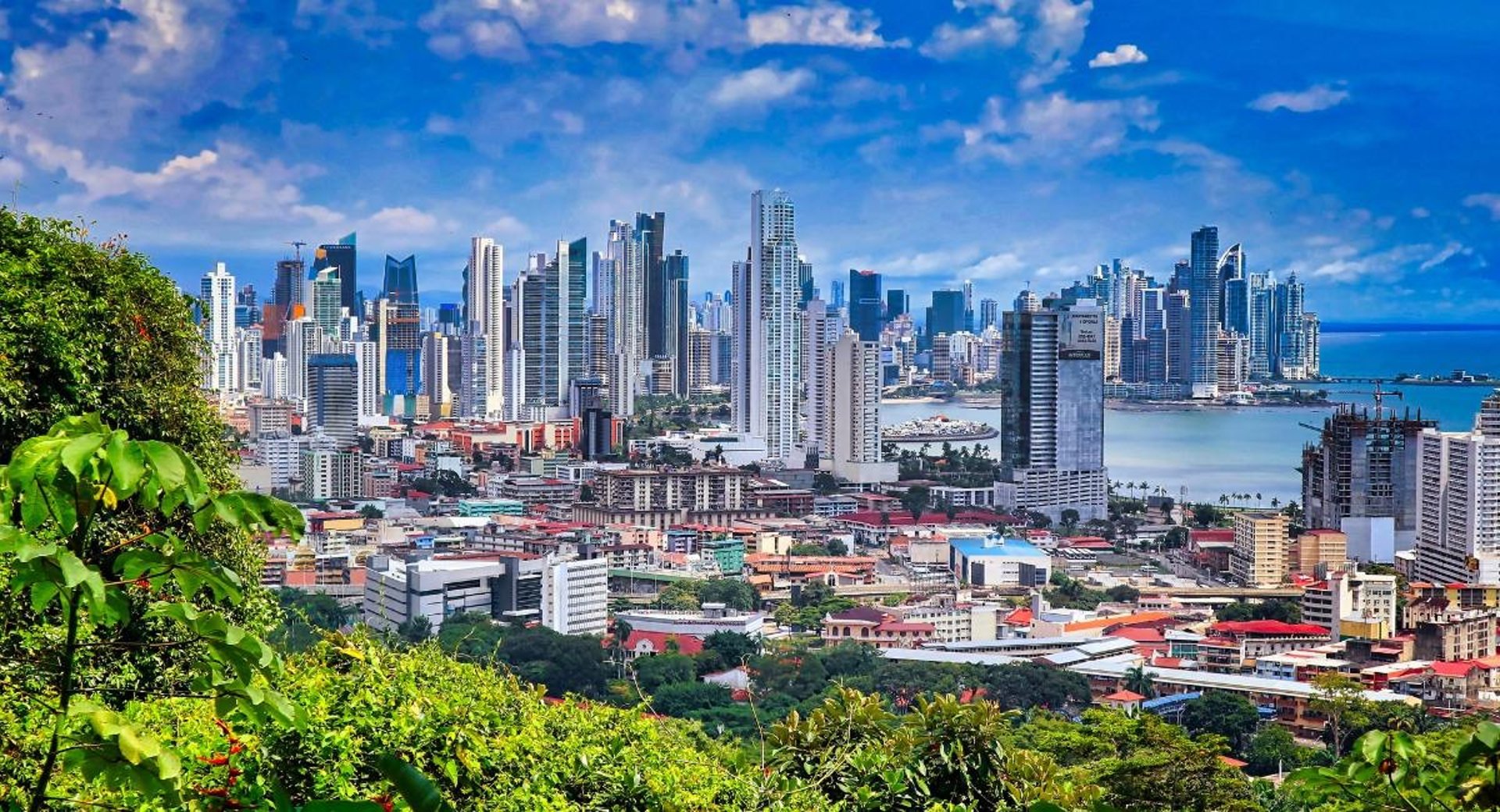
Panama City is the beating heart of the country — a modern, international hub with dramatic skyscrapers, oceanfront neighborhoods, a historic district under restoration, and some of the best dining and medical care in Latin America. It’s busy, cosmopolitan, and full of contrasts: glossy towers overlooking the bay, colonial streets in Casco Viejo, bustling markets, and leafy parks.
Retirees who choose Panama City often want access to world-class healthcare, international restaurants, shopping malls, cultural events, and direct flight connections. Despite being a capital city, life can be peaceful in the right neighborhoods, especially along the waterfront.
Weather and Climate
Panama City is warm and humid year-round, with temperatures generally in the 80–90°F range (27–33°C). Rain is common from May to November, usually in quick afternoon showers.
Cost of Living and Housing
Housing in Panama City ranges from affordable older apartments to luxury condos with pools, gyms, and ocean views. Prices reflect the city’s modern conveniences and desirability.
• 1-bedroom condo (good area): $800–$1,200
• 2-bedroom condo: $1,200–$1,800
• Luxury high-rise: $2,000–$3,500
Best Neighborhoods for Retirees
Panama City’s neighborhoods each have a distinct feel. Some are sleek and modern; others offer old-world charm.
• Punta Pacifica: High-end condos, ocean views, walking distance to Johns Hopkins-affiliated hospital
• Avenida Balboa: Waterfront towers overlooking the bay
• El Cangrejo: Walkable, leafy, full of cafés and services
• Casco Viejo: Historic, artistic, atmospheric — though more expensive
Lifestyle and Food
The city offers everything: sushi bars, French bakeries, rooftop lounges, seafood markets, lush parks, concerts, and museums. The Cinta Costera, a long waterfront path, is perfect for evening walks.
Healthcare in Panama City
Panama City has the best hospitals in the country. Many doctors speak English and trained in the U.S. or Europe.
• Punta Pacifica Hospital (affiliated with Johns Hopkins)
• Hospital Nacional
• Hospital San Fernando
Coronado
Overview and First Impressions
Coronado is Panama’s most established beach community for retirees — relaxed, friendly, spacious, and full of amenities. Just 1.5 hours from Panama City, it's the perfect blend of coastal living and accessibility. The landscape is a mix of gated communities, golf courses, beachfront condos, and long sandy beaches with rolling waves.
Coronado has one of Panama’s most active expat communities, making it easy for newcomers to find friends, join groups, volunteer, or simply socialize over coffee or wine.
Cost of Living and Housing
Prices are lower than in Panama City, especially inland from the beach.
• 1-bedroom condo: $700–$1,100
• 2-bedroom home: $1,000–$1,500
• Beachfront condo: $1,200–$2,000
Lifestyle and Food
This is a community built around easy living: beach days, golf, water sports, yoga studios, cafés, and small international restaurants. The area has supermarkets, private clinics, and expat-run businesses.
Healthcare Access
Coronado has quality clinics, with major hospitals 30–40 minutes away in San Carlos and Panama City.
Boquete
Overview and First Impressions
Boquete is Panama’s most famous mountain town — cool, green, and full of fresh flowers, artisan cafés, lush valleys, and a large international community. Nestled in the Chiriquí Highlands, Boquete offers a climate that feels almost spring-like year-round, with temperatures generally between 60–75°F (15–24°C). For retirees escaping heat and humidity, it’s paradise.
The town is small but lively, with farmers’ markets, music festivals, yoga studios, book clubs, coffee tours, hiking trails, and a welcoming expat scene.
Cost of Living and Housing
Boquete offers a range of housing from modest casitas to luxury mountain homes with sweeping views.
• 1-bedroom rental: $500–$800
• 2-bedroom home: $800–$1,200
• High-end homes: $1,200–$2,000
Best Areas for Retirees
• Alto Boquete: Quiet, open, beautiful views
• Jaramillo: Lush, tranquil, hillside homes
• Volcancito: Close to town, mild climate, scenic walking routes
Lifestyle and Food
Boquete is about outdoor living and community involvement: hiking, gardening, coffee tastings, river walks, and farm-to-table restaurants. The vibe is relaxed, artistic, and nature-forward.
Healthcare Access
Clinics are available in town, while full hospitals are located nearby in David.
David
Overview and First Impressions
David is the bustling regional capital of Chiriquí Province and the gateway to the highlands of Boquete and Volcán. While not a tourist destination, it’s practical, warm, and full of services — private hospitals, large supermarkets, shopping centers, banks, and local restaurants. Many retirees choose David because it offers low-cost living within easy reach of both the Pacific beaches and cooler mountain towns.
The city itself is friendly and unpretentious. It’s a place where life revolves around local markets, community events, and everyday conveniences. For retirees who want a grounded, authentic experience at a fraction of Panama City prices, David is a compelling choice.
Cost of Living and Housing
David is one of the most affordable cities in the country, especially for long-term rentals.
• 1-bedroom apartment: $400–$600
• 2-bedroom home: $600–$900
• Modern condo: $800–$1,200
Lifestyle and Food
David’s lifestyle is warm and simple: open-air markets, small cafés, street vendors, and family-run restaurants. Beaches like Playa La Barqueta are 30–40 minutes away, while Boquete is less than an hour north.
Healthcare Access
David has several excellent hospitals, making it one of Panama’s best healthcare hubs outside the capital.
• Hospital Chiriquí
• Mae Lewis Hospital
Pedasí
Overview and First Impressions
Pedasí is one of Panama’s hidden gems — a charming colonial town on the Azuero Peninsula surrounded by beaches, rolling countryside, and low-key coastal communities. It’s peaceful, picturesque, and known for its traditional festivals, fishing culture, and warm, small-town atmosphere.
Retirees often choose Pedasí for its laid-back rhythm, friendly locals, and the beauty of the surrounding coast. Nearby Playa Venao brings a bit of surf culture and international energy, while the town itself remains quiet and authentic.
Cost of Living and Housing
Pedasí offers a good balance between affordability and comfort.
• 1-bedroom rental: $500–$700
• 2-bedroom home: $700–$1,000
• Near Playa Venao: Higher-end options
Lifestyle and Food
Life here revolves around the outdoors: fishing, surfing, beach walks, turtle watching, horseback riding, and community gatherings. The food scene mixes local eateries with a few international cafés and restaurants popular with expats and surfers.
Healthcare Access
Pedasí has small clinics and pharmacies, with full hospitals available in Chitré and Las Tablas.
Volcán
Overview and First Impressions
Volcán sits in the cool Chiriquí Highlands opposite Boquete, offering similar mountain scenery at a quieter pace and lower cost. It’s known for its fertile farmland, misty mornings, flower-covered hills, and crisp, spring-like weather. Retirees are drawn to its peaceful surroundings, scenic drives, and friendly community.
Volcán feels more rural than Boquete and less tourist-oriented, while still offering beautiful homes, garden plots, and a thriving expat presence that appreciates the area’s tranquility.
Cost of Living and Housing
Volcán is one of Panama’s most affordable mountain towns.
• 1-bedroom home: $400–$700
• 2-bedroom home: $600–$900
• Larger mountain homes: $1,000–$1,500
Lifestyle and Food
The lifestyle is slow and nature-centered: hiking, gardening, farm-to-table markets, artisan bakeries, and community events. Fresh produce is abundant due to the region’s rich volcanic soil.
Healthcare Access
Local clinics serve the community, while major hospitals are located in nearby David.
Residency Options for Foreigners
The Pensionado Visa (Retiree Visa) – The Most Popular Path
Panama’s Pensionado Visa is considered one of the best retirement residency programs in the world. It offers permanent residency to anyone with a guaranteed lifetime income of at least $1,000 per month from Social Security, pensions, or certain annuities.
Benefits include:
• Permanent residency for life
• Deep discounts on entertainment, travel, healthcare, and services
• Access to Panama’s public and private healthcare systems
• Ability to import household goods tax-free
Pensionado residents cannot automatically work for a Panamanian company, but they can own businesses or work online for foreign clients.
Friendly Nations Visa (for select nationalities)
Panama also offers the Friendly Nations Visa to citizens of many countries, granting quick residency with proof of economic ties such as employment, investment, or starting a company. This path leads to permanent residency after a short provisional period.
Path to Permanent Residency and Citizenship
Most foreigners start with temporary residency and transition to permanent residency within 1–2 years depending on the program. After five years of permanent residency, foreigners may apply for Panamanian citizenship and a second passport.
Panama uses a territorial tax system, meaning foreign-derived income, including retirement income, is generally not taxed.
Healthcare and Medical Access
Panama offers one of the best healthcare systems in Latin America, with modern hospitals, English-speaking doctors, and affordable pricing. Both public and private options are available to residents, with private care preferred by most expats for its speed and comfort.
Healthcare access for residents:
• Public system: Very low cost for residents, including foreigners
• Private insurance: $70–$200 per month depending on age and coverage
• Private pay-as-you-go: Affordable consultations and procedures
Top Hospitals for Retirees
• Punta Pacifica Hospital (Panama City)
• Hospital Nacional (Panama City)
• Hospital Chiriquí (David)
Many retirees find they can comfortably pay cash for regular visits and maintain insurance for larger procedures.
Where Should You Live?
Panama offers an array of lifestyles, from bustling cosmopolitan living to quiet mountain towns. Choosing the right place depends on your climate preferences, healthcare needs, and lifestyle goals.
• Panama City: Best for modern living, services, and world-class healthcare
• Coronado: Best for beach life with amenities and a strong expat community
• Boquete: Best for spring-like climate, mountain scenery, and active expat life
• David: Best for affordability and central access to beaches and highlands
• Pedasí: Best for quiet coastal charm and traditional culture
• Volcán: Best for serene mountain living at lower cost
Conclusion
Panama offers retirees a rare combination of stability, natural beauty, modern convenience, and one of the world’s most welcoming residency programs. Whether you prefer the energy of Panama City, the beaches of Coronado, or the cool tranquility of the Chiriquí Highlands, Panama provides a lifestyle that is easy, comfortable, and deeply enjoyable.
With excellent medical care, a favorable tax system, and a culture known for its warmth, Panama is more than a retirement destination — it’s a place where many people find a happy, sustainable next chapter.
Sources for This Article:
Servicio Nacional de Migración – Panama Immigration
Ministerio de Salud – Ministry of Health, Panama
INEC – National Institute of Statistics and Census
https://www.contraloria.gob.pa/inec/
Tourism Panama – Official Tourism Portal
https://www.tourismpanama.com/
World Bank – Panama Country Data