
Retire in Spain: Best Cities, Costs, Healthcare & Lifestyle
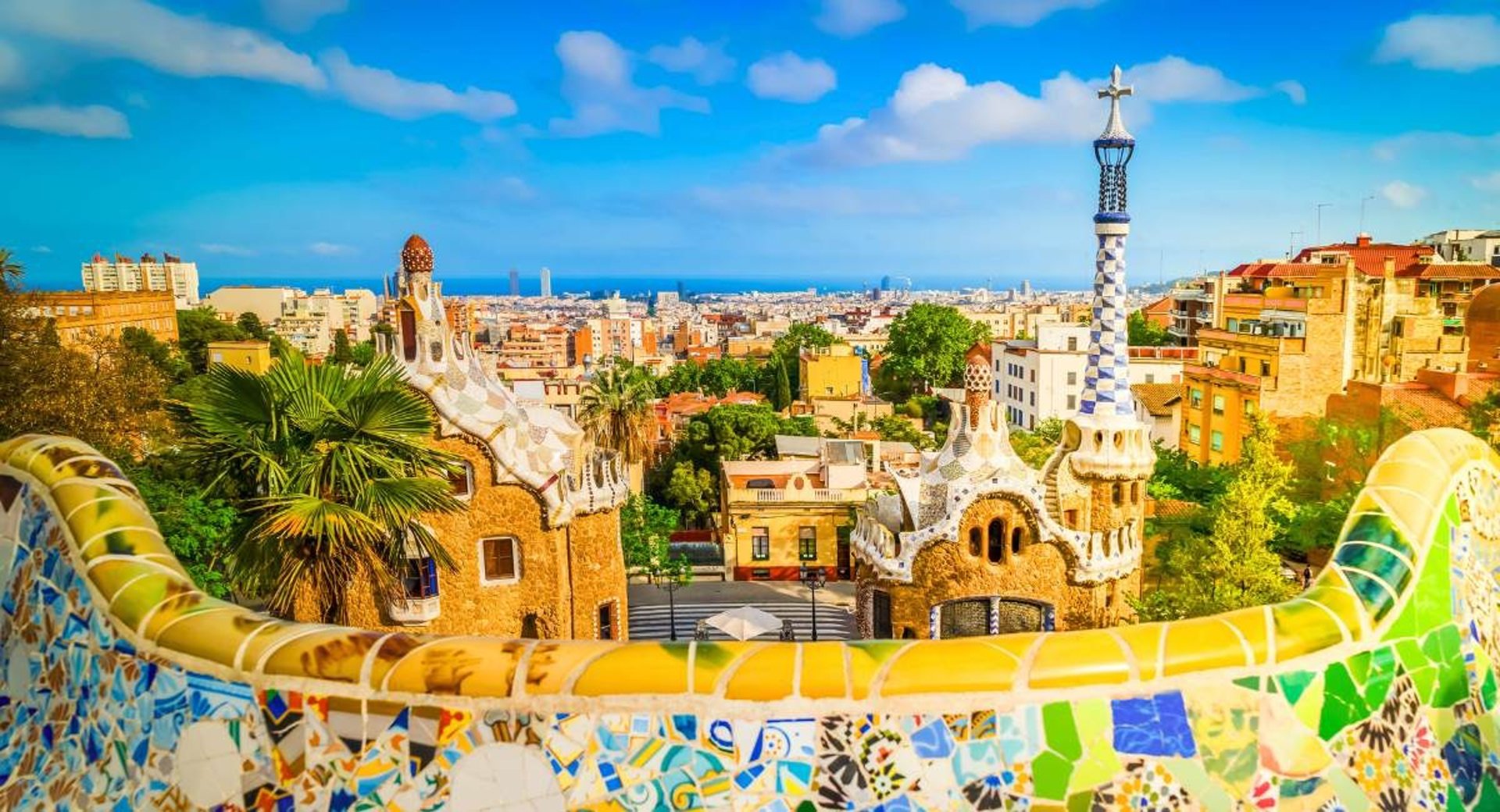
Spain has a way of settling into your senses — the warmth of the Mediterranean sun, the rhythm of late lunches and evening strolls, the sound of church bells mingling with café chatter, the scent of oranges and sea breeze drifting through old stone streets. For retirees, Spain offers not just an escape, but a lifestyle: relaxed, colorful, deeply rooted in community and daily pleasures. This is a country where life unfolds slowly and beautifully, where every region feels like its own world, and where foreigners are welcomed with genuine warmth.
Beyond its beauty and culture, Spain offers practical advantages that make long-term living especially appealing. Healthcare is excellent, public transportation is widespread, the food is fresh and affordable, and life can be lived comfortably on a budget that would be difficult in much of Western Europe. Residency options are clear and well-established, and long-term residents can even qualify for permanent residency or — under Spain’s specific requirements — eventual citizenship. In this guide, we explore some of Spain’s most popular and livable cities for retirees: Alicante, Granada, Málaga, Valencia, Madrid, Barcelona, Mallorca, and Salamanca.
Currency note: Euro amounts are followed by approximate USD equivalents in parentheses, using €1 ≈ $1.10 USD.
What Makes Spain Appealing
Low Cost of Living (Compared to Western Europe)
Despite its popularity, Spain remains surprisingly affordable. Retirees can live comfortably on a moderate budget, especially outside Madrid and Barcelona. Fresh produce, local wine, transportation, and healthcare all cost significantly less than in the United States, Canada, or northern Europe. Many retirees appreciate how far their money goes without sacrificing quality of life.
• Local meal: €8–€14 ($8.80–$15.40 USD)
• Café coffee: €1.50–€2.50 ($1.65–$2.75 USD)
• Wine (local bottle): €3–€6 ($3.30–$6.60 USD)
• Taxi ride across town: €6–€12 ($6.60–$13.20 USD)
A Warm, Outdoor Lifestyle
Spain encourages you to slow down and savor everyday life. Sunlight fills most days of the year, encouraging outdoor cafés, long walks, seaside afternoons, and quiet evenings on terraces. Even in larger cities, life feels unhurried and social. People meet family and friends often, and community life feels strong and accessible.
Healthcare That Is Among the Best in Europe
One of Spain’s biggest advantages is its world-class healthcare system. Private insurance is affordable, and once you gain legal residency, you can often access the excellent public healthcare system. Many retirees come to Spain specifically for its combination of affordability and medical quality.
Clear Residency Pathways
Spain offers well-defined visas — most notably the Non-Lucrative Visa and the Digital Nomad Visa — that allow retirees and remote workers to settle long-term. After several years, these can lead to permanent residency and eventually citizenship, although Spain places strict limits on dual nationality.
Rich Landscapes and Regional Variety
Spain is not one country but many: Mediterranean coastline, snowcapped mountains, desert plains, green northern hills, Moorish palaces, medieval towns, and vibrant urban centers. Retirees can choose the rhythm that fits them best — beach, countryside, or city.
Alicante
Overview and First Impressions
Alicante is one of Spain’s most beloved coastal cities — a bright, sunny Mediterranean gem known for its turquoise water, palm-lined promenades, and easygoing rhythm of life. It feels large enough to offer all the conveniences retirees need but small enough that it never overwhelms. With more than 300 days of sunshine a year, Alicante has the climate many northern Europeans dream about when they picture a life by the sea.
Daily life unfolds at a gentle pace: morning walks along the Explanada de España, afternoons spent enjoying fresh seafood overlooking the harbor, and evenings wandering the old quarter beneath the illuminated Santa Bárbara Castle. Retirees are drawn to Alicante’s warmth and the sense of comfort that comes from a city designed for enjoyment and relaxation.
Climate
Alicante enjoys one of the best climates in Europe: mild winters, warm summers, and very little rain. The Mediterranean moderates temperatures, making outdoor living possible almost year-round.
Cost of Living and Housing
Compared to Barcelona or Madrid, Alicante is considerably more affordable. Housing remains reasonable, and eating out is a pleasure that doesn’t strain the budget. Retirees find that Alicante offers one of the best quality-of-life-to-cost ratios in Spain.
• 1-bedroom apartment: €600–€900 ($660–$990 USD)
• 2-bedroom apartment: €850–€1,300 ($935–$1,430 USD)
• Sea-view or renovated units: €1,200–€1,800+ ($1,320–$1,980+ USD)
Best Neighborhoods for Retirees
Alicante has a variety of neighborhoods suited to different lifestyles, from beachside living to lively historic districts. Many retirees choose areas that balance convenience with a peaceful residential atmosphere.
• El Centro and Old Town: Historic, walkable, full of cafés and local life
• Playa de San Juan: Long sandy beaches, modern apartments, very popular with expats
• Albufereta: Coastal, quieter, with stunning sea views
• Benalúa: Residential, friendly, close to amenities
Lifestyle and Food
Alicante’s lifestyle feels tailor-made for retirees who enjoy sunshine, seafood, and a relaxed social culture. Outdoor terraces fill with people enjoying paella, tapas, and local wines. Evenings stretch late, not because of nightlife, but because of the Mediterranean rhythm — slow meals, seaside walks, and lively conversations with neighbors and friends.
The food is exceptional: fresh fish, rice dishes, local produce, and wines from nearby regions. Retirees find that eating well becomes a natural part of daily life.
Healthcare in Alicante
Alicante has modern hospitals and clinics, with many English-speaking doctors and international patient services. Retirees who obtain residency can access Spain’s excellent public healthcare system, while private insurance remains very affordable and popular among expats.
• Hospital General Universitario de Alicante (public)
• Hospital Vithas Alicante (private)
• IMED Levante (private network serving expats)
Granada
Overview and First Impressions
Granada feels like stepping into a storybook — a city framed by snowcapped mountains, crowned by the magnificent Alhambra, and filled with winding medieval lanes scented with jasmine and orange blossoms. It offers a quieter pace than many coastal cities, but with a beauty and cultural richness that feel almost unmatched. Retirees are often captivated by Granada’s blend of Moorish architecture, leafy plazas, excellent food, and the relaxed Andalusian rhythm of life.
This is a city where history is lived rather than displayed, where daily life flows through stone alleyways, neighborhood cafés, and shaded courtyards. Granada also has a vibrant university population, giving it a youthful energy despite its ancient roots.
Climate
Granada experiences hot, dry summers and cool winters — more varied than Spain’s coastal regions. Its elevation at the foot of the Sierra Nevada brings crisp nights and the occasional winter snowfall.
Cost of Living and Housing
Granada is one of the most affordable cities in southern Spain. Housing costs remain moderate, even in central districts, and day-to-day living expenses are noticeably lower than in most major European cities.
• 1-bedroom apartment: €500–€750 ($550–$825 USD)
• 2-bedroom apartment: €700–€1,100 ($770–$1,210 USD)
• Traditional houses in Albaicín: €1,000–€1,800+ ($1,100–$1,980+ USD)
Best Neighborhoods for Retirees
Granada’s neighborhoods vary from lively student districts to tranquil heritage quarters with breathtaking views. Retirees tend to gravitate toward the older, walkable areas with character and charm.
• Albaicín: UNESCO-listed district with cobbled streets and Alhambra views
• Realejo: Historic Jewish quarter, quiet but central, full of cafés and small shops
• Centro: Flat, walkable, convenient, with easy access to amenities
• Zaidín: More modern, affordable, and popular with long-term residents
Lifestyle and Food
Granada’s lifestyle is unhurried and deeply social. One of the city’s most beloved traditions is the free tapas culture — many bars still serve tapas at no extra charge when you order a drink. Days are spent wandering shaded plazas, visiting local markets, and sitting outdoors enjoying views of the Alhambra and the surrounding mountains.
The food reflects its Andalusian heritage: grilled meats, stews, olive oil, fresh vegetables, and Moorish-inspired sweets.
Healthcare in Granada
Granada has excellent medical care, including modern hospitals, specialty clinics, and a strong university medical system. Retirees with legal residency can enroll in Spain’s public healthcare program, and private insurance remains both affordable and widely used.
• Hospital Universitario Virgen de las Nieves (public)
• Hospital Clínico San Cecilio (public)
• Vithas Granada (private)
Málaga
Overview and First Impressions
Málaga is one of Spain’s most inviting coastal cities — a warm, modern, deeply livable place where the Mediterranean meets centuries of history. In recent years, Málaga has become an arts and culture hub with world-class museums, elegant pedestrian streets, a revitalized port, and beaches minutes from the city center. For retirees, Málaga offers the perfect blend of seaside living, urban convenience, and a vibrant yet relaxed daily rhythm.
The city has an open and international atmosphere without feeling overly touristy. Neighborhood cafés spill onto sunny terraces, markets overflow with fresh produce and seafood, and evenings are ideal for strolling along palm-lined promenades.
Climate
Málaga enjoys one of Europe’s mildest climates: warm summers, gentle winters, and abundant sunshine year-round.
Cost of Living and Housing
Málaga offers excellent value for a coastal city with modern infrastructure and strong expat communities. Housing is more affordable than in Barcelona, Madrid, or the Balearic Islands, especially outside the historic center.
• 1-bedroom apartment: €700–€1,000 ($770–$1,100 USD)
• 2-bedroom apartment: €1,000–€1,500 ($1,100–$1,650 USD)
• Beachfront or premium units: €1,500–€2,200+ ($1,650–$2,420+ USD)
Best Neighborhoods for Retirees
Málaga’s neighborhoods each offer a slightly different pace, from coastal walking paths to historic streets filled with galleries and cafés.
• Centro Histórico: Beautiful architecture, museums, restaurants; lively but very convenient
• La Malagueta: Beachfront, walkable, quiet at night; extremely popular with expats
• El Limonar: Leafy, residential, upscale; peaceful and elegant
• Pedregalejo: Former fishing district; charming, relaxed, excellent seaside dining
Lifestyle and Food
Málaga’s lifestyle is effortlessly pleasant. Locals enjoy fresh fish, beach walks, open-air cafés, and long, social meals. Food is one of the city’s great pleasures: sardines grilled along the beach, tapas in the old town, and wines from nearby Andalusian regions.
Healthcare in Málaga
Málaga is home to some of Andalusia’s best hospitals and private clinics. English-speaking doctors are easy to find, and both private and public facilities are modern and well-equipped. Retirees with residency are typically eligible for Spain’s public healthcare system.
• Hospital Regional Universitario de Málaga (public)
• Quirónsalud Málaga (private)
• Vithas Parque San Antonio (private)
Valencia
Overview and First Impressions
Valencia is one of Spain’s most graceful and livable cities — a place where historic charm and futuristic architecture coexist effortlessly. With golden beaches, leafy parks, mild weather, and a beautifully restored old town, Valencia feels like a perfect middle ground between coastal relaxation and urban sophistication. It’s large enough to offer everything retirees need, yet compact and affordable enough to feel comfortable and easygoing.
Climate
Valencia enjoys a Mediterranean climate with warm summers, mild winters, and minimal rainfall. Seaside breezes keep summers more comfortable than many inland cities.
Cost of Living and Housing
Valencia is more affordable than Madrid or Barcelona, yet offers similar cultural advantages and strong overall quality of life. Housing remains accessible, especially outside the most central districts.
• 1-bedroom apartment: €700–€1,000 ($770–$1,100 USD)
• 2-bedroom apartment: €1,000–€1,400 ($1,100–$1,540 USD)
• Modern or beachfront units: €1,400–€2,000+ ($1,540–$2,200+ USD)
Best Neighborhoods for Retirees
Valencia’s neighborhoods range from historic to coastal, offering something for every lifestyle.
• El Carmen (Old Town): Historic, artistic, and walkable
• Ruzafa: Trendy, colorful, social; full of cafés and galleries
• El Cabanyal: Beach-adjacent, charming old houses, relaxed atmosphere
• Benimaclet: Village-like, friendly, affordable
Lifestyle and Food
Valencia is the birthplace of paella and remains one of Spain’s great culinary capitals. Retirees enjoy vibrant markets, fresh Mediterranean seafood, outdoor dining, and a café culture that encourages lingering. The Turia Park, a former riverbed turned greenbelt, is ideal for walking, cycling, and socializing.
Healthcare in Valencia
Valencia offers excellent healthcare, with several major hospitals and private clinics. The region is known for medical research and high-quality facilities.
• Hospital Clínico Universitario de Valencia (public)
• Hospital Universitari i Politècnic La Fe (public)
• HLA Vithas Valencia 9 de Octubre (private)
Madrid
Overview and First Impressions
Madrid has a vibrant energy that feels both grand and intimate — a city of sweeping boulevards, elegant plazas, world-class museums, and cozy neighborhood cafés. It is Spain’s capital, but it functions like a collection of small, tightly knit districts, each with its own rhythm and charm. For retirees who enjoy culture, history, walkability, and excellent dining, Madrid offers an enriching and sophisticated lifestyle.
Climate
Madrid has dry summers and cool winters, with plenty of sunshine year-round. Spring and autumn are especially pleasant.
Cost of Living and Housing
Madrid is more expensive than many coastal cities, but remains far more affordable than other European capitals. Retirees who choose Madrid often prioritize culture and walkability over beach access.
• 1-bedroom apartment: €900–€1,400 ($990–$1,540 USD)
• 2-bedroom apartment: €1,300–€2,000 ($1,430–$2,200 USD)
• Premium central housing: €2,000–€3,500+ ($2,200–$3,850+ USD)
Best Neighborhoods for Retirees
• Salamanca: Elegant, upscale, wide streets; quiet and safe
• Retiro: Close to the famous park; ideal for green-space lovers
• Chamberí: Traditional, charming, excellent restaurants and cafés
• La Latina: Historic, beautiful, full of plazas and tapas culture
Lifestyle and Food
Madrid is one of Europe’s great food cities — from traditional taverns to Michelin-starred restaurants. Museums, concerts, theater, and festivals add richness to daily routines, and the public transport system makes exploring easy.
Healthcare in Madrid
Madrid has some of the best hospitals in Spain, offering top-tier specialists and excellent facilities. English-speaking doctors are common.
• Hospital Universitario La Paz (public)
• Hospital Clínico San Carlos (public)
• HM Madrid Network (private)
• Quirónsalud Madrid (private)
Barcelona
Overview and First Impressions
Barcelona is unmistakably unique — a city shaped by Gaudí’s architecture, leafy boulevards, sandy urban beaches, and a creative spirit that pulses through cafés and galleries. Retirees who want culture, seaside access, and vibrant everyday life often find Barcelona irresistible.
Climate
Barcelona enjoys mild winters and warm, sunny summers. Its Mediterranean climate supports an outdoor lifestyle year-round.
Cost of Living and Housing
Barcelona is one of Spain’s more expensive cities, but still affordable relative to major world capitals. Many retirees find better value in residential neighborhoods outside the most tourist-heavy zones.
• 1-bedroom apartment: €1,000–€1,500 ($1,100–$1,650 USD)
• 2-bedroom apartment: €1,400–€2,200 ($1,540–$2,420 USD)
• Premium units and near the beach: €2,200–€3,200+ ($2,420–$3,520+ USD)
Best Neighborhoods for Retirees
• Eixample: Elegant, walkable, iconic grid streets
• Gràcia: Artistic, village-like, charming plazas and cafés
• Poblenou: Beach access, modern apartments, relaxed vibe
• Sarrià–Sant Gervasi: Quiet, upscale, excellent quality of life
Lifestyle and Food
Barcelona lives through its markets, architecture, and coastal culture. Retirees enjoy long lunches, outdoor cafés, festivals, and easy access to both city life and the sea.
Healthcare in Barcelona
Barcelona offers world-class healthcare, with major hospitals known across Europe for quality and innovation.
• Hospital Clínic de Barcelona (public)
• Hospital Vall d’Hebron (public)
• Quirónsalud Barcelona (private)
Mallorca
Overview and First Impressions
Mallorca is an island of turquoise coves, dramatic cliffs, golden beaches, and terracotta-roofed villages tucked among pine forests and mountains. It is one of Europe’s most sought-after places to retire, thanks to its warm climate, relaxed island pace, excellent infrastructure, and welcoming international community.
Climate
Mallorca has warm, sunny summers and mild winters. The sea moderates temperatures, keeping extremes in check.
Cost of Living and Housing
Mallorca is more expensive than mainland Spain, but offers excellent quality of life and a wide range of housing options.
• 1-bedroom apartment: €900–€1,500 ($990–$1,650 USD)
• 2-bedroom apartment: €1,400–€2,200 ($1,540–$2,420 USD)
• Houses and villas: €2,000–€3,500+ ($2,200–$3,850+ USD)
Best Areas for Retirees on Mallorca
• Palma: A sophisticated small city with beaches, culture, and excellent healthcare
• Port de Sóller: Scenic harbor town surrounded by mountains; peaceful and charming
• Alcúdia: Beautiful beaches, modern conveniences, family-friendly
• Santa Ponsa: Popular with expats; calm, coastal, with good amenities
• Pollença: Stone village charm with artistic energy and mountain scenery
Lifestyle and Food
Life in Mallorca is shaped by the outdoors: seaside walks, market mornings, village afternoons, and long meals in sunlit plazas. Fresh seafood, Mediterranean vegetables, and local wines define the island’s culinary rhythm.
Healthcare in Mallorca
Mallorca has modern public hospitals and private clinics, and many English-speaking doctors due to the large expat population.
• Hospital Universitari Son Espases (public)
• Hospital Juaneda Miramar (private)
• Clínica Rotger (private)
Salamanca
Overview and First Impressions
Salamanca is a historic city of golden sandstone buildings, elegant plazas, and one of the world’s oldest universities. It’s smaller and quieter than Madrid or Barcelona, but full of life thanks to its student population. For retirees who want culture without crowds, Salamanca offers a peaceful, beautiful way of life.
Climate
Salamanca has warm, dry summers and cold winters. Spring and autumn are mild and especially pleasant.
Cost of Living and Housing
Salamanca is one of the best-value cities in Spain for retirees. Housing is affordable and daily expenses are significantly lower than in major metropolitan areas.
• 1-bedroom apartment: €500–€750 ($550–$825 USD)
• 2-bedroom apartment: €700–€1,100 ($770–$1,210 USD)
• Historic center flats: €800–€1,300 ($880–$1,430 USD)
Best Neighborhoods for Retirees
• Centro Histórico: Walkable, picturesque, close to shops and cafés
• San Bernardo: Quiet, residential, and very affordable
• Garrido: Modern, spacious, comfortable for long-term living
Lifestyle and Food
Salamanca’s pace is slow and relaxed. Traditional Castilian cuisine dominates — roasted meats, hearty stews, cured ham, and regional wines — with daily life centered around plazas, markets, and walks along the river.
Healthcare in Salamanca
Despite its smaller size, Salamanca has reliable medical care, including public hospitals and private clinics.
• Hospital Universitario de Salamanca (public)
• Hospital Santísima Trinidad (private)
Residency Options for Foreign Retirees
Spain’s Most Common Paths to Residency
Spain offers several visa categories suitable for retirees, long-stay visitors, and remote workers. The process is structured and documentation-heavy, but well-defined. Once you secure residency, you receive an NIE (Número de Identificación de Extranjero), which serves as your foreign resident ID number for banking, healthcare, property, and official activities.
Non-Lucrative Visa (Most Popular for Retirees)
This is Spain’s flagship retirement visa. It allows long-term residence as long as your income comes from outside Spain, such as pensions, investments, or rental income. You may not work locally under this visa.
Key requirements include:
• Proof of sufficient passive or retirement income
• Private health insurance for the first year
• Clean background check
• Proof of stable accommodation
Once approved, you receive a one-year permit, renewable for two years at a time. After five years, you may apply for permanent residency.
Spain Digital Nomad Visa
This pathway is ideal for remote workers who earn income from abroad but want to live in Spain full-time. It offers a clear residency track and, in some cases, favorable tax treatment.
Golden Visa
The Golden Visa grants residency through property investment and appeals to retirees who want flexible residency rights, including the ability to work if desired.
• Minimum €500,000 property investment ($550,000 USD)
• Fast-track residency approval
• Fewer physical stay requirements
EU Citizens
EU, EEA, and Swiss citizens may relocate freely and register directly for residency without visas.
Permanent Residency and Citizenship
Path to Permanent Residency
Foreigners who legally reside in Spain for five continuous years may apply for long-term EU residency. This status provides rights similar to Spanish citizens, including access to public healthcare and the ability to live and work in Spain.
Path to Spanish Citizenship
After 10 years of legal residency, most foreigners become eligible for Spanish citizenship. Some nationalities qualify sooner, but for many retirees from North America or much of Europe, the 10-year rule applies. Applicants must demonstrate integration, financial stability, and basic Spanish language ability, and Spain has strict rules around dual nationality.
Healthcare Access for Retirees
Public Healthcare
Spain’s public healthcare system is one of the best in Europe — modern, efficient, and highly affordable. Once a retiree becomes a legal resident and registers locally, they can access public care, including specialists, low-cost prescriptions, and public hospitals in every major city.
Private Healthcare
Many retirees choose private insurance as well, especially in the first year when public access may not yet be available. Spain’s private system is fast, affordable, and widely available, with English-speaking doctors in most major cities.
Private insurance typically costs:
• €40–€150 per month ($44–$165 USD per month)
Where Should You Live?
Choosing the right city depends on climate preferences, lifestyle, and budget. Spain offers an unusually wide range of retirement environments, each with a distinctive charm.
• Madrid: Best for museums, dining, walkability, and year-round city life
• Barcelona: Best for urban energy plus beaches and Mediterranean weather
• Valencia: Best all-around value — sunshine, affordability, and relaxed coastal living
• Málaga: Best for warm winters, expat community, and strong healthcare
• Alicante: Best for beach living, affordability, and a slower pace
• Mallorca: Best for island living with outstanding scenery
• Granada: Best for culture lovers who prefer a quieter, historic city
• Salamanca: Best for affordability, beauty, and classic Spanish atmosphere
Conclusion
Spain is one of the world’s most appealing retirement destinations — combining old-world charm with modern comfort, rich culture with relaxed living, and exceptional healthcare with an affordable cost of life. Whether you dream of strolling historic streets, sipping wine by the Mediterranean, exploring art museums, or settling into a quiet Andalusian neighborhood, Spain offers a lifestyle that is warm, welcoming, and easy to love.
With clear visa options, pathways to permanent residency, and access to excellent medical care, long-term living is not only possible but deeply rewarding. From the golden plazas of Salamanca to the beaches of Valencia, the mountains near Granada, and the cosmopolitan pulse of Madrid and Barcelona, Spain invites retirees to slow down, savor life, and feel at home.
Sources for This Article: Spain
Ministry of Foreign Affairs, European Union and Cooperation
https://www.exteriores.gob.es/
Official Spanish Immigration Portal
https://extranjeros.inclusion.gob.es/
Ministry of Health, Spain
Social Security Spain (Healthcare and Pensions)
INE – National Statistics Institute of Spain
Spain.info – Official Tourism Website