
Retire in Uruguay: Best Cities, Costs, Visas, and Healthcare
Uruguay is one of South America’s most underrated retirement destinations — a calm, coastal country where life feels orderly, dignified, and refreshingly unhurried. Long beaches stretch for miles, cities feel walkable and safe, and daily life revolves around cafés, waterfront promenades, leafy plazas, and friendly conversations. For retirees, Uruguay offers a rare mix of political stability, low stress, strong public institutions, and access to excellent healthcare.
Unlike many destinations in Latin America, Uruguay consistently ranks among the safest and most stable countries in the region. Services are reliable, infrastructure works, and personal freedoms are well protected. Retirees often describe life here as peaceful and predictable, with a European influence blended into a relaxed South American rhythm.
In this guide, we explore Uruguay’s most popular places for retirement living: Montevideo, Punta del Este, Ciudad de la Costa, Piriápolis, Costa de Oro, and Maldonado. We also cover cost of living, healthcare, and Uruguay’s straightforward residency process.
Currency note: Local prices are listed in Uruguayan pesos (UYU), followed by approximate USD equivalents.
What Makes Uruguay Appealing
Uruguay stands out for its safety, stability, and everyday comfort. Streets feel walkable, institutions function smoothly, and the social atmosphere is calm and respectful. Electricity and water are reliable, banking is modern, and public services work efficiently.
Retirees appreciate Uruguay’s balance: relaxed coastal living paired with strong legal protections, quality healthcare, and a culture that values personal space, civility, and community.
Cost of Living
Uruguay is not the cheapest country in South America, but retirees find that costs reflect quality and reliability. Living like a local — shopping at neighborhood markets, using public transit, and enjoying simple cafés — keeps expenses reasonable.
• Local café meal: 350–600 UYU ($9–$15 USD)
• Restaurant dinner: 500–1,000 UYU ($12–$25 USD)
• Taxi within town: 200–400 UYU ($5–$10 USD)
• Groceries (local products): Affordable and high quality
Imported goods are expensive, but local food, services, and healthcare offer good value.
The Coastal Lifestyle
Life in Uruguay revolves around the sea. From Montevideo’s 22-kilometer rambla to the beaches of Punta del Este and the quiet coves of Piriápolis, daily routines often include long walks, mate tea, ocean breezes, and sunset gatherings along the shore.
Montevideo
Overview and First Impressions
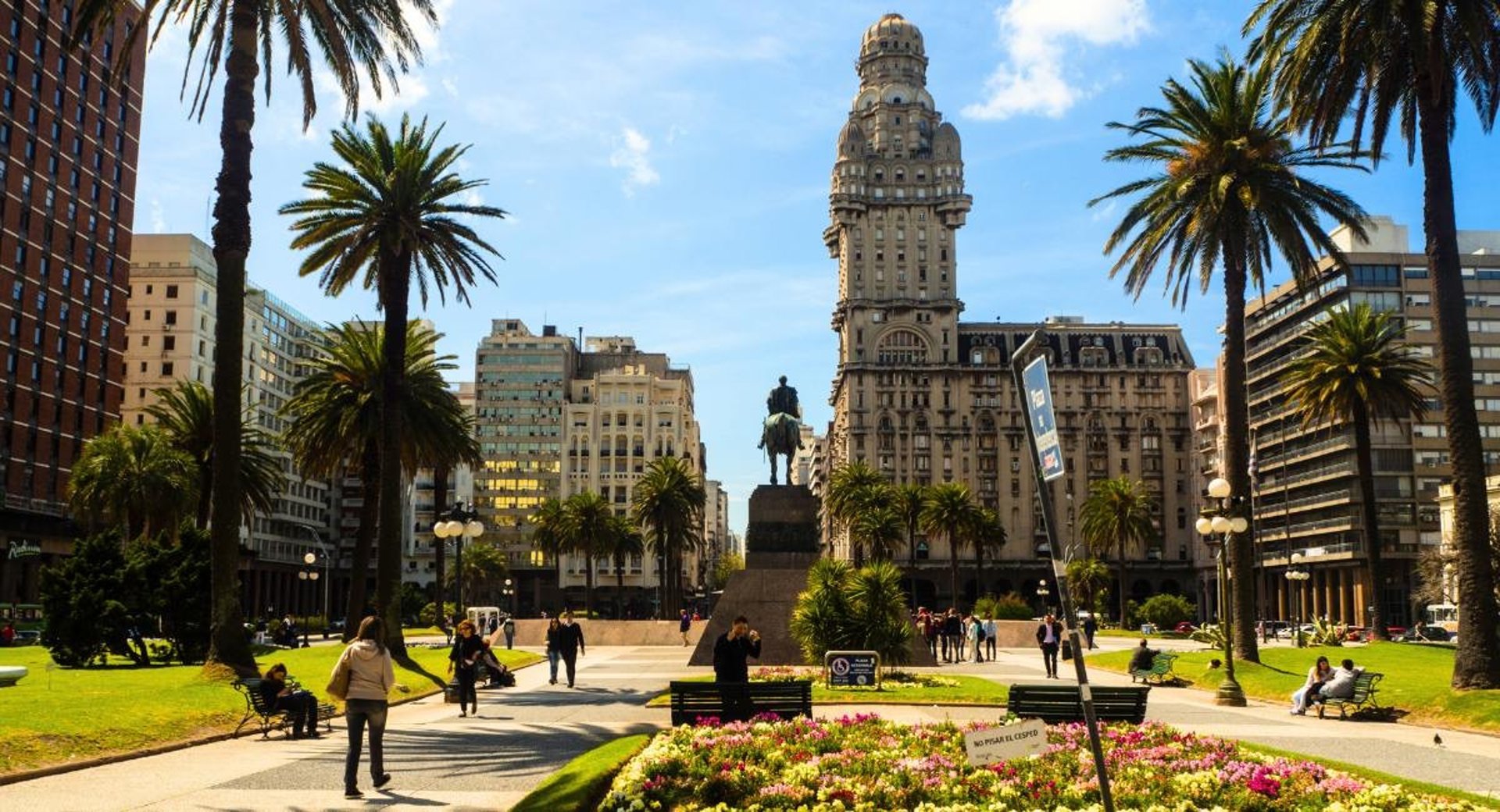
Montevideo is Uruguay’s capital and cultural heart — a relaxed seaside city with historic architecture, vibrant markets, museums, and tree-lined neighborhoods. It feels more like a gentle European capital than a hectic Latin American metropolis.
The rambla is the city’s defining feature: a wide waterfront promenade used daily for walking, cycling, fishing, and socializing. It is one of the safest and most pleasant urban waterfronts in the Americas.
Weather and Climate
Montevideo has a mild, temperate climate with four seasons. Summers are warm but breezy, winters are cool but rarely severe, and rainfall is moderate.
Cost of Living and Housing
• One-bedroom apartment (good area): 24,000–36,000 UYU ($600–$900 USD)
• Two-bedroom apartment: 36,000–60,000 UYU ($900–$1,500 USD)
• Rambla-front condo: 48,000–80,000 UYU ($1,200–$2,000 USD)
Best Neighborhoods for Retirees
• Pocitos: Modern, safe, walkable, beachfront
• Parque Rodó: Green, cultural, artsy
• Ciudad Vieja: Historic and charming
• Punta Carretas / Buceo: Upscale, elegant, coastal
Healthcare in Montevideo
• Hospital Británico
• CASMU
• Asociación Española
Most retirees join a mutualista — a private healthcare membership system with low monthly fees and broad coverage.
Punta del Este
Overview and First Impressions
Punta del Este is Uruguay’s best-known resort city — lively in summer, peaceful in winter, and refined year-round. Retirees are drawn to its clean streets, excellent services, beaches, and polished atmosphere.
Cost of Living and Housing
• Modern one-bedroom apartment: 28,000–48,000 UYU ($700–$1,200 USD)
• Two-bedroom with ocean view: 48,000–80,000 UYU ($1,200–$2,000 USD)
• Houses inland or in Maldonado: More affordable alternatives
Best Areas for Retirees
• La Peninsula: Walkable, close to marina
• Playa Mansa: Calm beaches, residential
• Aidy Grill / Bosque: Quiet and leafy
• La Barra: Artistic and relaxed
Healthcare
• Sanatorio Mautone
• SEMM emergency services
Ciudad de la Costa
Overview and First Impressions
Ciudad de la Costa is a chain of relaxed beach communities just east of Montevideo. It offers quieter living, wide natural beaches, and lower costs while remaining close to the capital.
Cost of Living and Housing
• One-bedroom apartment: 18,000–28,000 UYU ($450–$700 USD)
• Two-bedroom house: 28,000–40,000 UYU ($700–$1,000 USD)
Healthcare access is excellent via nearby Montevideo hospitals.
Piriápolis
Overview and First Impressions
Piriápolis is a charming seaside town framed by hills and beaches, with a nostalgic European feel. It is walkable, scenic, and ideal for retirees seeking calm coastal living.
Cost of Living and Housing
• One-bedroom apartment: 20,000–32,000 UYU ($500–$800 USD)
• Small house: 24,000–36,000 UYU ($600–$900 USD)
Costa de Oro
Overview and First Impressions
The Costa de Oro is a long stretch of small, quiet beach towns between Montevideo and Punta del Este. It offers some of the best value in Uruguay for retirees.
Cost of Living and Housing
• One-bedroom apartment: 14,000–22,000 UYU ($350–$550 USD)
• Two-bedroom house: 20,000–32,000 UYU ($500–$800 USD)
Maldonado
Overview and First Impressions
Maldonado is a practical inland city near Punta del Este with lower housing costs and full services.
Cost of Living and Housing
• One-bedroom apartment: 16,000–26,000 UYU ($400–$650 USD)
• Two-bedroom home: 24,000–36,000 UYU ($600–$900 USD)
Permanent Residency for Foreigners
Uruguay is known for its welcoming and straightforward residency process. Retirees apply for standard permanent residency rather than a special retirement visa.
Typical requirements include:
• Passport and birth certificate
• Police clearance from home country
• Proof of stable income (often around 60,000 UYU per month, about $1,500 USD, but flexible)
• Medical exam in Uruguay
• Apostilled and translated documents
Applicants may live in Uruguay immediately while residency is processed. Permanent residency is usually approved within 1–2 years.
Tax Benefits
New residents may qualify for a 10-year exemption on foreign-source income, which is attractive for retirees with pensions or investments.
Healthcare and Medical Access
Uruguay’s healthcare system is among the best in Latin America. Residents can use the public system or join private mutualistas.
Typical options:
• Mutualistas: 2,000–4,000 UYU per month ($50–$100 USD)
• Public healthcare: Very low or no cost
• Private pay-as-you-go care: Affordable
Top hospitals include:
• Hospital Británico
• CASMU
• Asociación Española
• Sanatorio Mautone
Where Should You Live?
• Montevideo: Best for culture, walkability, and top healthcare
• Punta del Este: Best for refined resort-style coastal living
• Ciudad de la Costa: Best balance of cost and proximity to Montevideo
• Piriápolis: Best for quiet seaside charm
• Costa de Oro: Best value beach living
• Maldonado: Best services at lower cost near Punta del Este
Conclusion
Uruguay offers retirees a lifestyle defined by stability, safety, and everyday ease. Whether you prefer Montevideo’s cultural life, Punta del Este’s polished coastline, or the quiet charm of smaller beach towns, Uruguay delivers a calm, dignified, and welcoming place to settle.
It may not shout for attention, but for many retirees, Uruguay quietly becomes exactly the place they were looking for.
Sources for This Article: Uruguay
Ministry of Foreign Affairs, Uruguay
https://www.gub.uy/ministerio-relaciones-exteriores/
Ministry of Public Health, Uruguay
https://www.gub.uy/ministerio-salud-publica/
INE – National Institute of Statistics
Uruguay Natural – Ministry of Tourism
World Bank – Uruguay Country Data